Auteur: Jasmin Aria

  • My Job Hunting Journey in the Netherlands (Spoiler: I Got Hired!)

    Job hunting in a new country is its own special kind of rollercoaster. You apply, you wait, you refresh your inbox way too many times, and somewhere in between you start questioning your own CV like it personally betrayed you. I’ve been wanting to write about my experience for a while, and now that I’m actually employed (yes, hired!), I figured it’s the perfect time to look back at how it all went down.

    Round One: Going International

    My first move was to focus on international companies – places where English is the working language. It made sense to me: I’m still building my Dutch and I didn’t want my job search to be limited by a language barrier I’m actively working on. So I sent out resumes, tailored cover letters, the whole deal, you know.

    In total, I sent around 10 applications to English-speaking, international companies. The responses were… quiet. A few automated “thank you for your application” emails and a lot of silence. Job hunting in general is tough, but job hunting as a newcomer adds an extra layer of “do they even know what my degree/experience translates to here?”

    Round Two: Trying My Luck with Dutch Companies

    At some point I figured, why not also try Dutch-speaking companies? Maybe my CV would stand out, maybe they’d appreciate the effort of someone learning the language. So I sent a handful of applications to Dutch companies too.

    Result? Basically nothing. No interviews, no callbacks, not even a rejection email in most cases. It stung a little, not gonna lie. But I also understood that without fluent Dutch, it’s a tough sell for a fully Dutch-speaking workplace, and that’s a completely fair business decision on their end.

    The Almost: Last 2 Candidates, Then… Rejected

    Then came the interview that I thought might actually go somewhere. A Dutch company in Amsterdam, but with an international team. The vibe felt right, the role felt right, and the interview itself went well. I made it down to the final two candidates.

    And then I got rejected. The reason? I lived too far from their office. My commute would’ve been about an hour, versus 15 minutes for the other candidate. Fair enough, I guess. But wait, my address was already on my CV from the start! So why call me in for two rounds of interviews if location was going to be the deciding factor anyway? Like, excuse me??

    Of all the reasons to lose out on a job, “you live too far away” felt like such an oddly practical (and slightly deflating) one. I get that commute logistics matter to employers, especially if they expect regular in-office days, but after getting that close and after two rounds of interviews, it was a tough pill to swallow. Lesson learned though: location really can make or break things here, especially for roles based outside of fully remote setups.

    The Win: An Intense Interview, and Then… Hired

    After that rejection, I won’t pretend I wasn’t a little discouraged. But then came an opportunity with an IT company. The interview process was intense! Multiple rounds, real depth to the questions, the kind of interview where you walk out mentally replaying every answer you gave.

    What made the difference, I think, was that they actually took my internship experience here in the Netherlands into account. It wasn’t just about my CV on paper; they asked real questions about what I had worked on during my internship, the tools I’d used and how I’d handled actual tasks and challenges on the job. That mattered. And in the end I got the job.

    I’m now mostly working from home, which honestly feels like a nice plot twist after months of uncertainty. No long commute or NS-vertraging drama, just getting to do the work.

    What I Took Away from This

    If there’s anything I’d share with anyone else navigating the Dutch job market as a newcomer:

    • Don’t only chase international companies. It’s worth trying, but don’t be afraid to cast a slightly wider net.
    • Silence doesn’t always mean you did something wrong. Sometimes it really is just logistics, timing or fit. Not a reflection of your worth or skills.
    • Local experience counts. Internships, freelance gigs, volunteer work – anything you’ve done here can genuinely tip the scale in your favor.
    • Rejection for weird reasons happens. Living “too far” stung, but it wasn’t personal. Take what you can learn and keep moving.

    Job hunting abroad is a mix of patience, persistence and the occasional excuse-me (or excuse-you) moment. But it does work out, sometimes when you least expect it.

    If you’re in the middle of your own job search here in the Netherlands, hang in there. And if you’ve had your own “wait, that’s the reason?” rejection story, I’d love to hear it in the comments!

  • Dutch Civic Integration: Tips for Passing Schrijven (Writing) B1 Exam

    So I passed my Schrijven B1 (Writing B1) exam as part of my Dutch inburgering.

    This exam is, for many people going through inburgering, the part that feels the most intimidating. There’s no multiple choice to fall back on — you actually have to produce text, under time pressure. You are allowed to bring a dictionary, but only one specific one: the paper Van Dale Pocketwoordenboek Nederlands als tweede taal (NT2). No translation apps, no other dictionaries.

    I know the feeling well. But with the right preparation, it’s absolutely possible to walk in feeling confident. Here’s what helped me.

    What is the Schrijven B1 Exam?

    Schrijven B1 is the Writing exam at language level B1 on the Common European Framework of Reference for Languages (CEFR). It’s one of the exams required for inburgering (civic integration) in the Netherlands, and for some residence permit or citizenship applications.

    The exam asks you to complete short, practical writing tasks, such as filling in a form, writing a short email or letter, or responding to a message in a realistic everyday situation (think: cancelling an appointment, requesting information, or making a complaint).

    It tests whether you can communicate clearly in writing, not whether you can write beautifully. That distinction matters a lot for how you prepare.

    My Personal Tips

    Learn Fixed Phrases by Heart

    Most writing tasks fall into a handful of recurring situations: cancelling, requesting, apologizing, thanking, complaining. For each of these, there are standard phrases that Dutch speakers actually use, like:

    • Ik schrijf u om… (I am writing to you to…)
    • Helaas kan ik niet… (Unfortunately I cannot…)
    • Zou het mogelijk zijn om… (Would it be possible to…)
    • Met vriendelijke groet, (Kind regards,)

    Memorize a small bank of these. During the exam, you won’t have time to construct sentences from scratch, so having ready-made building blocks saves precious minutes and reduces mistakes.

    Know the Structure of a Formal Letter or Email

    Almost every formal message follows the same skeleton:

    1. Greeting (Geachte heer/mevrouw or Beste…)
    2. Reason for writing (why are you writing this?)
    3. Main message (what exactly do you want to say or ask?)
    4. Closing line (thank them, mention a next step)
    5. Sign-off (Met vriendelijke groet, + your name)

    Practice this structure until it’s automatic. The less you have to think about form, the more attention you can give to actually answering the task correctly.

    Practice with Official Sample Exams

    Just like with Lezen, the DUO website has official practice materials for Schrijven that closely match the real exam in tone and difficulty. Do them under timed conditions, without a translation app. This is the single best way to get used to the pressure of the real thing.

    Write Short and Clear, Not Fancy

    A common mistake is trying to write long, impressive-sounding sentences to show off. Don’t. The exam rewards clear, correct communication, not complexity. A short, accurate sentence will score better than a long one with grammar mistakes.

    For example:

    Ik zou graag, indien mogelijk en wanneer het u uitkomt, een afspraak willen maken om…

    Ik wil graag een afspraak maken voor…

    Double-Check Your Verb Tenses

    A frequent slip at B1 level is mixing up tenses. Before you finish a task, quickly check each sentence:

    • Did it already happen? → past tense or present perfect
    • Is it a plan or future action? → present tense with gaan or zullen
    • Is it a fact or habit? → simple present

    A quick mental read-through at the end, sentence by sentence, can catch most of these errors.

    Follow the Task Instructions Exactly

    Each writing task tells you exactly what to include (for example: “explain why,” “ask for…,” “give two reasons”). A lot of points are lost simply because candidates miss part of the instruction. As you write, mentally tick off each requirement to make sure you’ve covered everything asked.

    Build a Mental Checklist

    Since you’ll only have your approved dictionary (and shouldn’t rely on it too much because looking up words eats into your time), it helps to run through a quick checklist for every task:

    1. What’s the goal of this message? (complain, ask, cancel, thank…)
    2. Which greeting and sign-off fit this situation?
    3. Which fixed phrases can I use here?
    4. Have I answered every part of the task?
    5. Are my verb tenses correct?

    The Schrijven exam isn’t about perfect Dutch – it’s about communicating clearly and showing comprehension within the time you’re given. Practice with real exam-style tasks, learn your fixed phrases and structures, and stay calm: you don’t need to be a writer, you just need to get your message across.

    Good luck to anyone preparing, and feel free to share your own tips or questions in the comments!

  • Dutch Civic Integration: Tips for Passing Lezen (Reading) B1 Exam

    In April 2025, I took the Lezen B1 (Reading B1) exam as part of my Dutch inburgering and I’m happy to share that I passed with a score of 557 out of 700!

    If you’re preparing for this exam too, I hope my experience and tips can help you get ready with more confidence and clarity.

    What is Lezen B1 Exam?

    Lezen B1 is the Reading exam at language level B1 on the Common European Framework of Reference for Languages (CEFR). It is one of the exams you may need to pass for inburgering (integration) in the Netherlands or applying for a residence permit/Dutch citizenship.

    The exam measures your ability to read and understand everyday written Dutch, such as letters and emails, instructions and signs, short articles and advertisements, and workplace or government documents.

    It basically tests your reading comprehension, ability to find specific information, and your understanding of the main ideas and details in written texts.

    My Personal Tips

    Here are a few strategies that helped me pass the Lezen B1 exam:

    Practice with Past Exam Questions

    The DUO website offers past exam samples. These practice tests are extremely valuable. They help you understand the structure and style of the real exam questions. I strongly recommend doing them and timing yourself. That way, you can:

    • Get used to the type of texts and questions
    • Train your reading speed
    • Learn how to manage your time under pressure

    This was one of the most effective parts of my preparation!

    Build Strong Vocabulary

    The more words you know, the faster you’ll understand the text. Building your vocabulary at the B1 level will not only improve your reading skills but also reduce the need for a dictionary during the exam.

    Reading Dutch books has really helped me expand my vocabulary. Here are some of the books I’ve read in Dutch: Lezen in het Nederlands: Deel 1 (Reading in Dutch: Part 1) and Lezen in het Nederlands: Deel 2 (Reading in Dutch: Part 2)

    Pay Attention to Keywords

    Don’t try to understand every single word in the text. Focus on keywords in the question and match them with the relevant part of the article.
    For example;
    Question: Wat moet je meenemen naar de afspraak?
    Look for words like meenemen, afspraak, benodigdheden in the article.

    You don’t need to translate every word, just find the main idea.

    Read the Question First (When Instructed)

    In certain sections, you’re advised to read the question before diving into the article. This instruction can be incredibly helpful as it allows you to read with a clear purpose in mind. Instead of trying to absorb every detail of the article, you can focus your attention on finding the specific information needed to answer the question. Not only does this make your reading more efficient, but it also helps you avoid getting overwhelmed by unnecessary details. It’s a smart way to save time and stay focused, especially during exams or timed practice sessions.

    Manage Your Time Wisely

    If you find yourself stuck on a question, don’t waste time, just skip it and return to it later. It’s much more effective to work through all the easier questions first, securing those points and building momentum. Spending too much time on one difficult question can eat into the time you need for others that you might answer correctly with ease. By prioritizing the questions you feel confident about, you manage your time better and reduce stress during the exam.


    Stay consistent with your Dutch practice, build a good vocabulary base, and use smart strategies during the test. Good luck to anyone preparing! And feel free to drop questions or share your own experience in the comments!

  • Dutch Civic Integration: Module Arbeidsmarkt en Participatie (MAP)

    If you’re going through the Dutch civic integration process (inburgering) , you’ve probably heard about Module Arbeidsmarkt en Participatie (MAP). Like PVT, it’s one of the required components under the Wet Inburgering 2021 (Civic Integration Act 2021).

    In this post, I’ll explain what MAP training is and share my own experience attending it.

    What is MAP Training?

    MAP stands for Module Arbeidsmarkt en Participatie, which translates to Labour Market and Participation Module. It is designed to help newcomers:

    • Understand the Dutch labour market
    • Learn how to search and apply for jobs
    • Discover different ways to participate in society (e.g., work, volunteering, or education)
    • Create a personal plan for their career or social participation in the Netherlands

    MAP is a required part of integration for most newcomers, especially if you’re on the B1 or Z route.

    According to my contact person in my gemeente, you can only get an exemption from MAP if you’re working in a paid job in a language-rich environment, where Dutch is used regularly.

    For certainty, contact your caseworker or your contact person at the gemeente to confirm what applies to your specific situation.

    My Personal Experience

    I recently completed MAP and attended a total of 8 weekly sessions, each lasting from 9:30 to 11:30 every Wednesday. There were approximately 25 people in my group, with a combination of B1-route and Z-route participants.

    Each session focused on a different topic related to working and participating in the Netherlands. Some of the modules we covered included:

    • How to write a Dutch-style CV
    • How to read and apply to vacatures (job vacancies)
    • Insights into the Dutch job market and working culture.

    We also spent time reflecting on our personal strengths and skills. We were encouraged to think about our qualities like being analytical, caring, reliable, patient or practical, and how those qualities might fit into different job sectors. This helped us consider which roles match our education background and previous work experience. It was a helpful way to connect who we are with the kind of work we may want to pursue in the future.

    One of the sessions was especially interesting. We visited a local institution that provides support for entrepreneurs and learned more about starting a business in the Netherlands. Even though I’m not planning to become self-employed, it was helpful to know that this option exists.

    In our final session, each of us gave a short presentation about our personal goals and what we learned throughout the training. We presented it in front of the group and some representatives from the gemeente (municipality). There was also a kind of mock interview or kennismaking, where we had an informal conversation with the gemeente representative about our future plans.

    At the end, we all received a certificate of completion, which felt like a nice milestone!

    Do You Have to Work or Volunteer After MAP?

    That depends on your personal situation. In my case, because I’m here on a partnerschap visum (partner visa), I am not required to do the practical part such as working or volunteering. Attending and completing the MAP sessions was enough for me to fulfill this requirement.

    If you’re on a different visa (or a statushouder), you may have to take more practical steps afterward, such as finding volunteer work or starting a work trajectory.

    Again, for certainty, contact your caseworker or your contact person at the gemeente to confirm what applies to your specific situation.

    Final Thoughts

    Overall, I found MAP to be a positive and valuable experience. It helped me better understand the Dutch working environment and gave me more confidence about how things work here.

    One thing I noticed was that the training was delivered in a one-size-fits-all format, with participants from both the B1 and Z routes mixed together. Because there were significant differences in Dutch language skills and learning pace, some participants struggled to communicate effectively or fully grasp the material. As a result, some people may not have gained the full benefit of the training or may have missed the intended learning outcomes.

    In my opinion, it would be more effective if future MAP sessions were divided by route or language level, allowing everyone to participate more comfortably, engage better and get the most out of the program.


    Whether your goal is to join the Dutch workforce, explore volunteer opportunities or gain insight into how Dutch society works, MAP provides a helpful foundation.

    Have you already taken MAP? Or are you about to start? Feel free to share your experience or ask questions in the comments!

  • Dutch Civic Integration: Participatieverklaringstraject (PVT)

    Moving the the Netherlands involves more than just learning the language. To truly feel at home, it’s important to understand the values and expectations of Dutch society. That’s where the PVT comes in.

    If you are going through the Dutch civic integration process (inburgering), you have probably heard of PVT. But what is it exactly and what should you expect?

    Here’s everything you need to know.

    What is the PVT?

    PVT stands for Participatieverklaringstraject, which translates to Participation Statement Trajectory. It’s a mandatory part of the integration process for most newcomers under the Wet Inburgering 2021 (Civic Integration Act 2021).

    In short: it’s a short training where you learn about Dutch core values (things that are considered important in society here). At the end of the training, you sign the participatieverklaring (participation statement) to show that you understand and respect these values.

    This is not a test. It’s an orientation or an introduction to the basic principles that help Dutch society function.

    Is the PVT Mandatory?

    Yes. For most people who fall under the Wet Inburgering 2021, the PVT is a required part of your inburgering. You need to complete it to get your inbugeringsdiploma.

    There are some exceptions (for example, if you’ve lived in the Netherlands before or have certain types of residence permits), but in most cases, it’s a compulsory step.

    What Will You Learn?

    During the PVT sessions, you’ll learn about Dutch norms, values and the expectations for living in the Netherlands. These sessions are interactive and often include group discussions, videos and real-life examples.

    Some key topics include:

    • Freedom: Different types of freedom (religion, speech, sexual orientation, etc.) and how freedoms can sometimes conflict.
    • Democracy and the rule of law: How decisions are made and how rights are protected in the Netherlands.
    • Equality: What equality means in Dutch society and the importance of treating everyone equally.
    • Personal responsibility: Participating in society and understanding both formal and informal solidarity.

    You’ll also discuss about how these values appear in your daily life such as at work, in school and in your neighborhood.

    How Long Does It Take?

    The total duration of the PVT varies a bit depending on the gemeente or training provider, but it usually takes around 12–16 hours in total. Some offer it over two full days (like mine), while others may spread it out across several shorter sessions.

    You may also be able to choose:

    • In-person or online training
    • Training in Dutch, English or your native language (depending on availability)

    Your caseworker or contact at the gemeente will let you know when and where to take the course.

    What Happens at the End?

    After completing the sessions, you’ll sign the participatieverklaring. This means you agree to respect and uphold the values you learned about. It’s a symbolic step that shows your willingness to take part in Dutch society.

    The participatieverklaring is required as part of your integration, and the date of your signature is recorded by your local gemeente.

    My Personal Experience

    I did the PVT training in February 2025, after arriving in the Netherlands in September 2023. I registered for the training in November 2024. I chose to do it online and in English, and it was held over two Fridays from 9:00 AM to 4:00 PM.

    There were 10 participants in my group, each from a different country, and we all lived in different parts of the Netherlands. That made the discussions even more interesting, as everyone shared their own cultural views and asked great questions.

    Our trainer was friendly and easy to understand, and the atmosphere was very open. There was a lot of Q&A, opinion sharing and discussion. I found the training insightful and thought-provoking; it gave me a better understanding of Dutch society and helped me reflect on how it differs from what I was familiar with.

    After the training, I received my participatieverklaring in the mail, signed it, and submitted a copy to my contact at the gemeente. Overall, it was a nice and meaningful experience.

    Tips to Get the Most from Your PVT

    • Be open and curious: you’ll have the chance to ask questions and learn how Dutch values work in daily life.
    • Engage in discussions: you’ll learn a lot from the trainer and from other participants.
    • Use this as a first step to feel more connected with your new community.

    Have You Done Your PVT?

    If you’ve already completed your PVT, what did you learn? Was anything surprising or inspiring? I’d love to hear your thoughts, feel free to share in the comments!

    And if you’re still waiting to start, don’t worry. It’s a welcoming and educational experience, and a great step on your integration journey in the Netherlands.

    Next up: MAP (Module Arbeidsmarkt en Participatie)

  • Lezen in het Nederlands: Deel 2 (Reading in Dutch: Part 2)


    Check out Lezen in het Lezen in het Nederlands: Deel 1 (Reading in Dutch: Part 1)

    Daar waar de rivierkreeften zingen by Delia Owens

    Daar waar de rivierkreeften zingen (Where the Crawdads Sing) by Delia Owens tells the story of Kya Clark, a young girl who grows up isolated in the swamps of North Carolina after being abandoned by her family. As she matures, Kya becomes a skilled naturalist, but her solitude is interrupted when she’s implicated in the murder of a local man. The novel weaves themes of loneliness, survival, love and the beauty of nature, all while unraveling the mystery of the crime. Where the Crawdads Sing was adapted into a Netflix movie. The film released in 2022.

    Sonny Boy by Annejet van der Zijl

    Sonny Boy by Annejet van der Zijl is a poignant true story about the unlikely and passionate love between Rika van der Lans, a Dutch woman in her forties, and Waldemar Nods, a young Surinamese student. Despite the societal taboos surrounding their interracial relationship in 1920s and 1930s Netherlands, they build a life together, even welcoming a son, Waldy, affectionately called “Sonny Boy.” The book beautifully explores themes of love, racial prejudice and the challenges of maintaining family bonds during turbulent times, especially with the backdrop of World War II. It’s a moving tale about courage, defying societal norms, and the enduring power of love.

    Joe Speedboot by Tommy Wieringa

    Joe Speedboot by Tommy Wieringa is a coming-of-age novel that follows Fransje Hermans, a young boy who is paralyzed after a lawnmower accident. The story is told from his perspective as he faces the challenges of adolescence while navigating life in a wheelchair. Through his friendship with the charismatic and adventurous Joe Speedboot, Fransje learns to embrace life despite his disability. The novel explores themes of friendship, love and personal growth, as Fransje struggles to define his identity and find his place in the world. Wieringa’s writing is poetic and thought-provoking, blending humor with moments of deep emotion. Joe Speedboot is a poignant exploration of how individuals overcome personal limitations and societal expectations, making it a powerful and memorable read.

    Komt een vrouw bij de dokter by Kluun

    Komt een vrouw bij de dokter (translated as Love Life in English) is a semi-autobiographical novel by Dutch author Kluun (Raymond van de Klundert). It tells the story of Stijn, a successful, hedonistic advertising executive in Amsterdam, whose life takes a dramatic turn when his wife Carmen is diagnosed with breast cancer. Despite her illness, Stijn continues to cheat on her, unable or unwilling to give up his compulsive pursuit of sex, drugs and nightlife. The novel explores his internal struggle between loyalty and selfishness, love and escapism, as Carmen’s condition worsens. Through her illness and eventual death, Stijn is forced to confront the consequences of his actions and the true meaning of love, grief and responsibility. Told in raw, brutally honest language, the novel examines themes of infidelity, denial, mortality and emotional growth. It became a bestseller in the Netherlands and sparked widespread debate for its controversial portrayal of a man coping with his wife’s terminal illness in such a self-destructive way.

    Loved these reads? I’ve got another great Dutch book recommendation for you. Check it out here!

  • Lezen in het Nederlands: Deel 1 (Reading in Dutch: Part 1)

    Learning Dutch hasn’t always been easy, but reading books in the language has made a big difference for me. In this post, I’m sharing five Dutch books that I’ve actually read; all of which helped me improve my vocabulary, reading flow, and cultural understanding. These books were published in makkelijke taal (simple Dutch), specifically designed to help readers at A2 or B1 level better understand and enjoy the language. Some were easy, others were a challenge, but each one was worth it.

    Het dagboek by Annelie Drewsen

    Het dagboek by Annelie Drewsen is a touching story about Tarek, a refugee adjusting to life in a new country. Learning Dutch is difficult for him; it feels unfamiliar and emotionless. His teacher gives him a diary, encouraging him to write each day. At first, Tarek hesitates, as his memories are painful, but slowly, he begins to express himself through writing. As the words flow, he starts to find comfort and hope. This hopeful story highlights the significance of language and the power of multilingualism. Written in simple Dutch (A1/A2 level), this book is great for language learners and offers a moving insight into the refugee experience and the power of storytelling.

    De kraai by Kader Abdollah

    De kraai, written as the 2011 Boekenweekgeschenk (Book Week Gift), is a semi-autobiographical novella by Kader Abdolah. It follows Refiq Foad, an Iranian refugee who builds a new life in the Netherlands. Refiq shares anecdotes from his youth in Iran, his escape to the Netherlands, and his experiences as an immigrant. A crow appears as a recurring symbol during pivotal moments in his life. The book offers an accessible writing style and weaves elements from Dutch literature, making it interesting for readers seeking insight into immigrant experiences and integration into a new culture

    Mevrouw mijn moeder by Yvonne Keuls

    Mevrouw mijn moeder by Yvonne Keuls is a heartfelt and personal account of the author’s mother, Jopi, an Indonesian woman who moved to the Netherlands. The book reflects on Jopi’s strength, independence, and the challenges she faced as an immigrant adjusting to a new culture. Through anecdotes and memories, Keuls captures her mother’s resilience and how she maintained her cultural roots while growing older. The story combines humor and emotion, offering a deep and moving look at identity, aging, and the immigrant experience, with a focus on the bond between mother and daughter.

    Er is hoop by Renate Dorrestein

    Is er hoop by Renate Dorrestein tells the story of Igor, a 16-year-old boy with intellectual disabilities, who lives with his grandmother, Nettie. Igor works at a sheltered workshop where he meets Lisa, a homeless girl. Together, they find an abandoned baby girl and decide to take her home. Nettie embraces Lisa and the baby, creating an unconventional household. The novel explores themes of love, hope, and the complexities of human relationships, offering a touching perspective on the good intentions of imperfect people and the extraordinary bonds that connect them.

    Fatale liefde by Carry Slee

    Fatale Liefde by Carry Slee is a short but intense story about love, obsession, and betrayal. The book follows a teenage girl who falls deeply in love, but her relationship takes a dark turn. The story is easy to read, with simple language and a fast pace, making it great for Dutch learners. The emotions feel real, and the tension builds up well. Though the ending is predictable, it still leaves an impact. If you enjoy dramatic young adult stories, this is a good choice. However, it might feel a bit too short for those who like deeper character development.


    These five books have each helped me in my Dutch learning journey. Whether through simple language or powerful storytelling, they helped me connect more deeply with the language and culture of the Netherlands. If you’re learning Dutch at the A2 or B1 level, I hope some of these titles will inspire and support your own progress too. More book recommendations are coming soon in the next part of this series. Stay tuned!

    Meanwhile, check out my other Dutch books recommendation here.

  • Moving to The Netherlands: A Simple Guide to Settling In

    Moving to the Netherlands is an exciting journey, but settling in smoothly requires a few important steps. This blog post serves as a concise and informative guide for newcomers, providing practical insights to help you transition seamlessly into Dutch society. From civic integration to everyday essentials, here’s what you need to know:


    Dutch Civic Integration (Inburgering)

    If you are required to integrate (inburgeringsplichtig), you must complete the Dutch civic integration process within three years. Here’s what to expect:

    A) Letter from Dienst Uitvoering Onderwijs (DUO)

    If you have to integrate under the Integration Act 2021, you will receive a letter from DUO confirming your integration requirement. You will receive the letter only after you have your burgerservicenummer (BSN), verblijfsvergunning (resident permit) and registered with your gemeente (municipality).

    Read: Checklist Before and After Moving to the Netherlands

    B) Broad Intake and Personal Integration & Participation Plan (PIP)

    After receiving your DUO letter, your municipality will invite you for an intake interview. It’s a simple conversation to understand your background. You’ll also need to take a Leerbaarheidstoets (Learning Ability Test) – a basic logic test to assess your learning ability.

    Based on this, the municipality will create a Personal Integration and Participation Plan (PIP), outlining your learning path and required exams. Your integration officially starts once your PIP is established, and you receive another letter from DUO with your integration deadline.

    C) Learning Routes

    There are 3 learning routes:

    • B1 Route: Prepares you for work (paid or volunteer). You’ll need to pass Dutch language exams at B1 level and a knowledge test.
    • Educational Route: For young people who want to study at MBO, HBO or university level. Language exams (B1 or B2) and a knowledge test are required.
    • Self-Reliance Route (Z-route): For those who find the other routes too difficult. You may need to take language tests, but the main assessment is an interview with the municipality.

    Your PIP will list the exams you need to take. These exams aren’t free, so plan for the costs. You can find study resources and exam schedules on the official civic integration website.

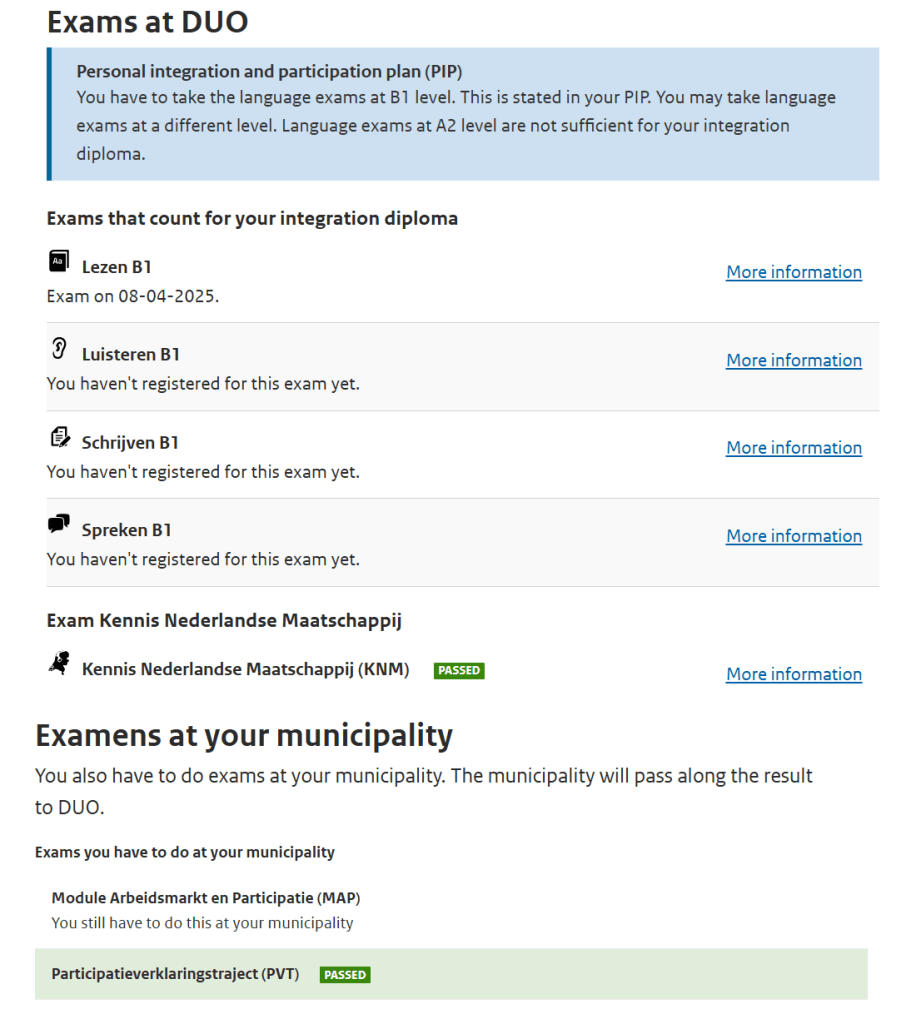
    My experience: I’m following the B1 route. My PIP requires me to pass Dutch language exams (Listening, Reading, Speaking and Writing) and Knowledge of Dutch Society (Kennis Nederlandse Maatschappij, KNM) at DUO. Meanwhile, the Module Arbeidsmarkt en Participatie (MAP) and Participatieverklaringtraject (PVT) must be completed through my municipality.

    From Mijn Inburgering site. It shows the list of exams you need to take along with your results.

    Learn the Language

    Learning Dutch is part of the integration process. It also helps in daily life and securing job. You can learn through:

    📚 Paid Options – Enroll in language schools, hire a private tutor or take online courses.

    💬 Free Options – Join Taalcafé or Taalhuis programs at your local library for casual language practice.

    📖 Self-Study – Use language apps, books, and online resources to learn at your own pace.

    Check out my recommendation of study resources in Useful Links for Learning Dutch and Top Resources to Learn Dutch Effectively for Beginners


    Diploma Evaluation & Kickstarting Your Career

    Landing a job in the Netherlands can be both exciting and challenging. Before diving in, make sure your visa allows you to work. If you’re eligible, start exploring job opportunities through online platforms and networking events. The job hunt can be a rollercoaster – some find success quickly, while others face hurdles. Stay patient and persistent!

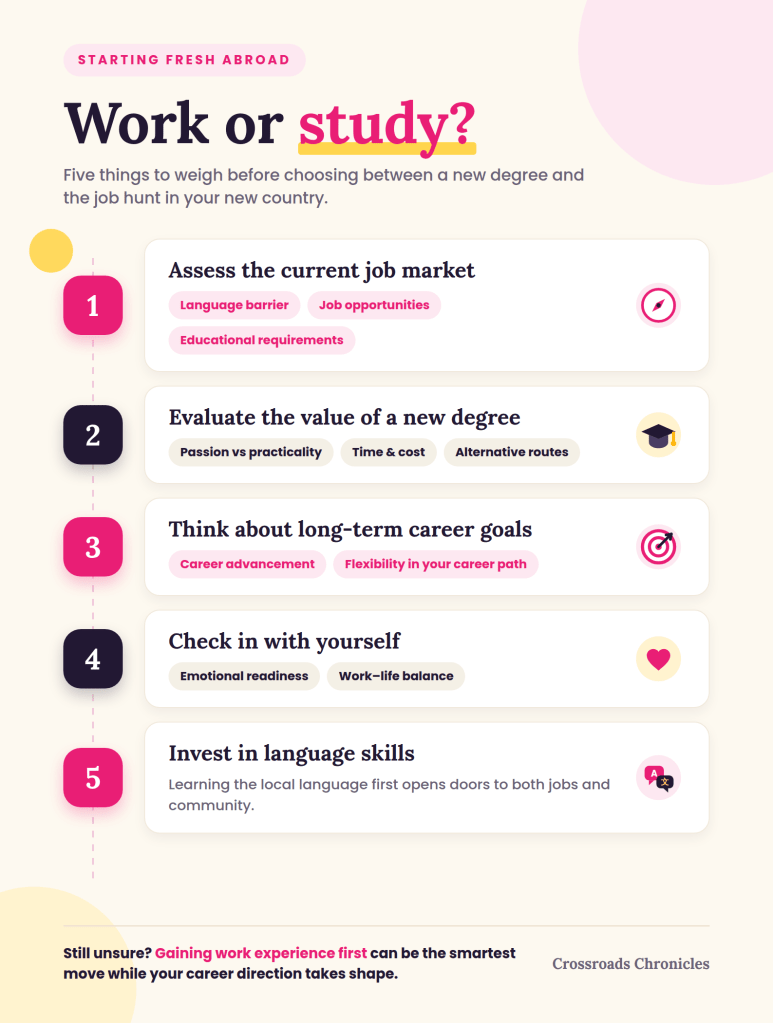
    If you’re torn between continuing your education or entering the job market, check out my guide: Should You Pursue a New Degree or Focus on Job Hunting (When Starting Fresh Abroad)?

    Diploma Evaluation (Diplomawaardering)

    In certain professions, having your foreign diploma officially evaluated is essential. Organizations like Nuffic and International Credential Evaluation (IDW) assess your qualifications and compare them to the Dutch education system.

    Start this early in your integration. Even if you’re not actively job hunting, getting your diploma evaluated is a smart move – you never know when an opportunity might arise!

    ✔️ The evaluation process is free for most immigrants.
    ✔️ Employers use these assessments to understand your education level.

    Taking this step early can give you an edge when the right job opportunity comes along!


    Everyday Essentials to Make Your Life Easier in the Netherlands

    🚆 OV-chipkaart – Your key to public transport! Use it for trains, buses, trams and the metro.

    🚲 Bicycle – The ultimate Dutch way to get around. Invest in a sturdy (but not necessarily new) bike and make sure to learn the traffic rules!

    📱 Must-Have Apps

    • Buienradar – Stay ahead of sudden rain showers (because Dutch weather loves surprises!).
    • NS & 9292 – Plan your trips by train, bus, tram or metro with ease.
    • Marktplaats – Buy and sell second-hand goods, from furniture to bikes.

    👥 Online Support Groups – Join expat communities on Facebook for tips, advice, and local connections.


    Moving to the Netherlands comes with its challenges, but with the right preparation, you’ll settle in smoothly. Wishing you a smooth and exciting start to your new adventure – Welcome to the Netherlands! 🇳🇱😊

  • Moving to the Netherlands: Visa Requirements & Essential Checklist

    Relocating to the Netherlands is an exciting opportunity, but before you pack your bags, it’s crucial to understand the visa requirements and prepare accordingly. This guide will help you navigate the process smoothly and ensure you have everything in place before and after your move.

    Visa Type & Requirements

    Before embarking on your journey to the Netherlands, determining the right visa type is essential. The requirements depend on your nationality, the purpose of your stay (e.g., work, study, or family reunification), and the length of your stay. Some common visa types include:

    • Short Stay Visa (Schengen Visa): For stays of up to 90 days, typically used for tourism, business trips, or short-term studies.
    • MVV (Provisional Residence Permit): Required for those planning a long-term stay, depending on your nationality and reason for moving.
    • Residence Permit: Issued after arrival for specific purposes, such as employment, studies, or family reunification.

    Visit the Dutch Immigration and Naturalisation Service (IND) website to identify the correct visa for your needs and gather the necessary documents.

    Checklist: Before and After Moving
    A) Before Moving (In Your Home Country)

    1. Bank Card
      • Inform your bank of your international move to ensure seamless transactions abroad.
      • Check for any international fees or consider opening an account that supports international banking.
    2. Subscriptions
      • Cancel or update subscriptions, such as mobile phone plans, internet, and streaming services, to avoid unnecessary costs.
    3. Insurance
      • Ensure your travel insurance covers the transition period.
      • Research health insurance options in the Netherlands, as it is mandatory for residents.
    4. Packing List
      • Pack seasonal clothing and essentials, considering the Netherlands’ unpredictable weather.
      • Don’t forget adapters for European plugs and voltage requirements.
    5. Important Documents
      • Keep originals and digital copies of:
        • Birth certificate
        • Academic certificates
        • Letters from the embassy or IND
        • Passport and visa-related documents

    B) After Moving (In the Netherlands)

    1. Get a New SIM Card
      • Purchase a Dutch SIM card for local communication and data.
    2. Register with the Gemeente (Municipality)
      • Make an appointment to register your residence and obtain your Burgerservicenummer (BSN).
    3. Residence Permit
      • Wait for the letter from IND confirming your residence permit is ready.
      • Schedule an appointment with IND to collect it.
    4. Apply and Activate DigiD
      • DigiD is your digital identity for accessing Dutch government services. Apply online after receiving your BSN.
    5. Set Up MijnOverheid Account
      • This portal provides access to personal government correspondence and records.
    6. Open a Bank Account
      • Choose a Dutch bank to manage finances locally. BSN and proof of address are typically required.
    7. Get Health Insurance
      • Dutch law requires health insurance within four months of registering at the gemeente. Compare providers to find suitable coverage.
    8. Register with a Huisarts (General Practitioner) and Tandarts (Dentist)
      • Search for a local huisarts and tandarts and register to ensure access to medical and dental care when needed.

    Moving to the Netherlands is an exciting journey, but it requires careful planning and preparation. By understanding the visa requirements and following the checklists provided, you can ensure a seamless transition to your new life in this beautiful country. So, prepare your documents, pack your bags, and get ready to embrace the Dutch way of life!

    And also remember, moving to the Netherlands is just the beginning – truly settling in is what makes it home. My insightful guide walks you through the essential steps for a smooth transition, especially for newcomers on a partnership visa. Read Moving to The Netherlands: A Simple Guide to Settling In for essential information on everything from civic integration and diploma evaluation to everyday essentials.

    Wishing you a smooth and exciting start to your new adventure – welcome to the Netherlands! 🇳🇱😊


    Have questions or tips about moving to the Netherlands? Share your thoughts in the comments below!

  • Culinary Adventures: Homecooked Meals – Self-Review #2

    Following my first self-review of homecooked meals here in the Netherlands, I continued my journey of culinary adventures with three new dishes, each inspired by different cultures and traditions. Cooking remains an exciting adventures for me. It’s an opportunity to experiment with flavours, refine techniques, and of course, enjoy some delicious homecooked food.

    This time, I ventured into the bold and aromatic world of Southeast Asian and Mediterranean/North African cuisines. Here’s a look at my creations and my honest self-assessment of each dish.

    Spicy Curry Laksa with Chicken and Eggplant

    The dish was my take on the beloved Southeast Asian classic – Curry Laksa. A rich and aromatic coconut-based broth infused with healthy amount of chili, lemongrass, shrimp paste, and curry paste served as the foundation for this hearty noodle soup. I paired it with spaghetti as a noodle substitute, which surprisingly held up well in the flavorful broth. The addition of eggplant absorbed the spicy coconut flavors beautifully, while tender pieces of chicken added a satisfying protein boost.

    Self-Review: Bold and fragrant, the broth had a perfect balance of spice and creaminess. Next time, I’d like to try using authentic rice vermicelli for a more traditional touch and maybe add tofu puffs for extra texture.

    Chicken Tajine with Carrots and Olives

    I delved into Moroccan and Mediterranean flavors by preparing a slow-cooked chicken tajine. The chicken was marinated in a blend of ras el hanout, paprika, cumin, cinnamon, lemon juice, then braised with carrots, green olives, and tomatoes. The result was a dish bursting with savory, slightly tangy, and subtly sweet notes.

    Self-Review: Wonderfully aromatic, with a depth that developed beautifully over slow cooking. The chicken was incredibly tender, falling apart effortlessly. Next time, I might add dried apricots or raisins for a bit of natural sweetness to contrast with the briny olives, and using preserved lemon instead of lemon juice to deepen the flavor.

    Chicken Curry with Potatoes

    This dish was inspired by the bold flavours of Malaysian chicken curry or “Kari Ayam.” I cooked then chicken with a fragrant blend of turmeric, cumin, coriander, chili paste, tamarind paste (asam jawa), and curry powder, creating a rich, flavorful broth. The potatoes soaked up the spices beautifully, making each bite hearty and satisfying. A boiled egg added extra depth and authenticity, as is common in many traditional Malaysian dishes.

    Self-Review: Deep, warm and comforting. The spices blended well, but I think a bit more coconut milk could enhance the creaminess. A touch of curry leaves and palm sugar might add extra layer of complexity to the dish and enhance the authentic fragrance.


    Each of these dishes brought a unique culinary experience to my kitchen, combining comfort, memories and adventures. However, finding the right herbs and ingredients in the Netherlands can sometimes be a challenge, requiring substitutions or creative solutions. While each meal had its own standout moments, I enjoyed the learning process just as much as the final results. For me, cooking at home continues to be an exploration of flavours, cultures, and creativity. One dish at a time!

  • Building Meaningful Connections and Finding Friendships in a New Country

    One of my biggest challenges when moving to the Netherlands was building a solid network. People-networking, that is. Moving to the Netherlands left me feeling isolated – until I learned that true connection is about quality, not quantity. And I also learned that friendship doesn’t necessarily mean networking and networking doesn’t always mean friendship. This is my personal journey of how I built meaningful connections and found friendships here in my new country.

    The Web That Unraveled

    Back in my home country, I had everything figured out. Need a good tailor? I knew exactly where to go. Looking for advice? I had a list of people to call. My network was built over years, starting from my student days and expanding into work, hobbies and community circles. Friends of friends, contacts from various organizations, you name it, I had it. Then I moved to the Netherlands, and suddenly my carefully woven web of connections was gone.

    My anxiety skyrocketed. What if I needed help? What if I had no one to turn to? What if I got lost, both literally and figuratively? And to make things even trickier, I didn’t speak the language (yet). The language felt like a wall I couldn’t climb, and the streets, though picturesque, felt cold and unfamiliar.

    Determined to do something about it, I started attending the taalcafé at the local library. It was a safe space to practice Dutch and meet others in the same boat. For a while, it worked. I made friends, shared laughs and even learned a lot of Dutch phrases. But just when I started getting comfortable, people started drifting away. Some got too busy, others moved away and some simply lost interest. Eventually, I stopped going too.

    The Illusion of Familiarity

    I also tried making friends through family connections. While many were genuinely kind and welcoming, these relationships sometimes felt a little off. These relationships often carried an unspoken weight – a sense of obligation rather than genuine connection. It wasn’t the same as the friendships I’d built back home, where bonds grew organically over shared experiences.

    Then came the cultural networking. More than once, random Asian aunties would approach me and bombard me with questions. The questions came rapid-fire: “Where are you from? Are you married? What does your husband do? Any kids? Why no kids?”  Their questions were warm but suffocating. Though I knew it came from a place of cultural familiarity, it didn’t feel like friendship. And they seemed to know everything about me, or at least they thought they did. I’m definitely not a fan of being “interrogated” by strangers.

    Worse were the groups that promised camaraderie but delivered competition. Echt! At first, it was all about sticking together… until it turned into a game of one-upmanship: “My husband this and that! Check out my new LV! We just bought a new car!” Social media flexing, status comparisons – it was so exhausting! Their humblebrags piled up like unwashed dishes. I eventually cut ties with all of them.

    Four Women, One Kitchen and the Art of Imperfection

    Still, along the way, I found a small, close-knit group of friends. Just the four of us girls, none of whom are Dutch (It’s often said that the Dutch can come across as reserved or less outwardly friendly). We were in the same boat, all navigating the same challenges and all determined to make the best of it. There were no pretenses, no comparisons, just genuine connection.

    We’d meet for girls’ days out, laughing over stroopwafels and coffee, or crowding into someone’s kitchen to cook meals that tasted like home – even if the recipes didn’t always turn out right. Birthdays and milestones became excuses to celebrate. Over shared meals, we traded stories that felt like lifelines. One friend confessed how much she missed the fresh seafood from her country, her voice tinged with nostalgia. Another admitted she’d become a regular at the kringloop, stocking up on second-hand treasures for her daughter. And then there was the one who juggled a work shift, gym sessions, and Dutch lessons, her days a blur of exhaustion and determination. In those moments, our differences didn’t matter. What mattered was the unspoken understanding that we were all navigating the same storm, just in different boats.

    We became a patchwork family. Not because we shared blood, cultures or borders, but because we shared vulnerability. It’s not about quantity but quality, and I’m especially grateful for this newfound friendship in this foreign land. These friendships became my anchor in a sea of uncertainty.

    The Taalcafé Redemption

    Months later, I decided to give the taalcafé another shot. This time, I went in with a different mindset. I didn’t just attend. I leaned in. Instead of waiting for connections to come to me, I put myself out there. I started attending the taalcafé on a regular basis, made an effort to engage with others and became more proactive.

    To my surprise, the coordinator and volunteers at the taalcafé took notice. When I mentioned that I was applying for an internship at a local organization, the coordinator quietly sent a reference email on my behalf. I hadn’t asked for it – she just did it. I never saw the reference coming. But that’s the thing about organic connections: they grow in quiet soil.

    That small act of kindness reminded me that networking isn’t about forcing connections, chasing after friendship or sticking to people just because of shared background. It’s about showing up, being genuine and letting things unfold naturally.

    The Lesson I Carry Forward

    Looking back, I realize how much I’ve grown. Building a network in a foreign country isn’t about replicating what you had back home. It’s about embracing the unknown, being open to new experiences, and finding joy in the unexpected. Networking abroad isn’t about collecting contacts like stamps. It’s about planting seeds, not knowing which will bloom. The Dutch aren’t “unfriendly” – they’re curated. Relationships deepen slowly here, like tulip bulbs under frost. And that’s okay.

    I’m still figuring things out, still building connections. But one thing’s for sure – I’m no longer letting my fear of the unknown hold me back. I’m mostly curious now, actually. Who will I meet next? What new adventures await?

    So, dear reader, how about you?  Have you ever found yourself starting over in a new place? Ever bonded with someone over a kitchen disaster? Felt both seen and lost in a new place? How did you build your network? I’d love to hear your story – because in the end, we’re all navigating life’s twists and turns together.
    P.S. If you’re in the Netherlands, try the taalcafé. And bring extra stroopwafels. Trust me.

  • Useful Links for Learning Dutch

    As someone learning Dutch myself, I’ve discovered a range of tools that cater to different learning styles and goals. In this post, I’ll share some of the most helpful links to get you started (or keep you going) on your Dutch learning adventure. Whether you’re preparing for integration exams or just looking to enhance your language skills, these tools can guide you toward success.

    How to Use These Resources

    Before diving into the resource list, it’s helpful to think about your goals and learning style. Are you a beginner looking for structured lessons? Or are you at an intermediate level and want to improve your listening and reading skills? Choose the resources that align with your needs, and don’t be afraid to mix and match. Consistency and variety are key to making steady progress.

    Top Dutch Learning Resources

    • www.hetbegintmettaal.nl: A national support platform offering language coaching for non-native speakers.
    • www.oefenen.nl: A practice platform for language, math, work, money, health, internet, parenting, etc.
    • www.nedbox.be: Provides practical language exercises.
    • www.klokrekenen.nl: A great resource for practicing how to tell time.
    • www.steffie.nl: Offers information about health, leisure, love, food and drink, money, travel, etc.
    • YouTube: Juf M NT2 (Speaking lessons for Dutch learners).
    • www.babadada.com: A picture dictionary in various languages.
    • www.netinnederland.nl: An online platform designed for newcomers.

    Helpful Resources for Integration Exams (inburgeringsexamens)

    If you’re preparing for integration exams, these links provide invaluable offers:

    By leveraging these diverse resources, you can tailor your learning journey to fit your needs and goals. From integration exam preparation to improving your everyday conversational skills, these tools are designed to support you at every stage. Start exploring these resources, and with patience and dedication, you will soon find yourself speaking Dutch. Veel succes!

  • Top Resources to Learn Dutch Effectively for Beginners

    Learning a new language is like opening the door to a whole new world. And Dutch is no exception! Whether you’re planning to move to the Netherlands, explore its landscapes or simply love a good linguistic challenge, this guide will help you kickstart your Dutch-learning journey.

    No matter your learning style, there’s a tool out there for you!

    Fun Apps for Daily Practice

    • Duolingo: Gamify your learning with bite-sized exercises. Perfect for building basic vocabulary.
    • Babbel: Learn grammar and conversations step-by-step in practical lessons.
    • Memrise: Great for memorizing common words and phrases.

    Online Courses and Tools

    Easy-to-read Books

    • Dutch for Dummies: A lighthearted intro with practical tips.
    • Children’s Books: Try Jip en Janneke for simple language that’s easy to understand.
    • Colloquial Dutch: Ideal for mastering everyday conversations.

    Podcasts and Videos

    • Learn Dutch with Bart de Pau: Fun, short lessons that focus on vocabulary and grammar.
    • Zeg Het in Het Nederlands: A podcast made for learners, featuring slow and clear Dutch.
    • NPO Dutch TV: Watch shows or listen to radio programs to train your ears for natural Dutch speech.

    Practice with Real People

    • Join a language exchange group on Meetup or Tandem.
    • Try chatting with locals at the market or coffee shops, it’s a great confidence booster!

    Check out other helpful Dutch learning resources for every stage (from beginners to preparation of integration exams) in Useful Links for Learning Dutch


    TIPS TO MAKE LEARNING DUTCH EASY (AND FUN!)

    1. Start with the basics – Learn greetings, numbers and essential phrases like “Hoe gaat het?” (How are you?), “Mag ik een koffie, alstublieft?” (May I have a coffee, please?) and “Dank u wel” (Thank you).
    2. Don’t fear mistakes – Guess what? Nobody expects you to be perfect. Locals will appreciate the effort and every mistake is a step toward fluency.
    3. Make it part of your day – Consistency is the key! Spend 10-15 minutes a day on Dutch, whether it’s an app, podcast or chatting with a friend.
    4. Immerse yourself – watch Dutch TV shows, listen to Dutch songs and label household items in Dutch to reinforce vocabulary.
    5. Tackle pronunciation early – This is really important! Dutch sounds like g and r can be tricky. Use YouTube or apps to mimic native speakers (it’s the quickest way to master them)
    6. Celebrate your wins – Ordered a coffee in Dutch? Understood a sentence in a TV show? These are big wins! Pat yourself on the back!

    If you’re already living in the Netherlands, make the most of the immersive environment. Join free Dutch classes at your local library (bibliotheek), join community groups in your area, visit markets to practice small talk and watch kids’ shows like Het Klokhuis for simple, clear language.

    Learning Dutch might feel overwhelming at first, but remember: small, consistent steps lead to big progress. With these resources and tips, you will be saying “Ik spreek een beetje Nederlands” (I speak a little Dutch) in no time! So, grab your notebook (or open that app) and start practicing today. Veel succes!

  • [2024] The Highs, Lows and Everything In Between

    Embracing New Adventures

    One of the best parts of 2024 was stepping into new creative and professional ventures. My blog, Crossroads Chronicles, flourished, giving me the chance to connect with readers. Writing posts like “Liefde en Leven in Noord-Holland” and “Should You Pursue a New Degree or Focus on Job Hunting (When Starting Fresh Abroad)?” sparked engaging conversations and reminded me that we’re all navigating life’s big changes together.
    Travel and food also became central themes this year, bringing their own share of joy and discovery. Posts like “Berlin – Echoes of History , Happy Birthday from London” and [Self-Review] Culinary Adventures #1 combined my love for exploration and gastronomy, offering readers a taste of my adventures.

    My Etsy shop, ZentangleNook, also reached new milestones (I’ve always wanted to start an online shop for coloring book!). Seeing arts bring joy to customers was deeply rewarding.

    Overcoming Challenges

    This year wasn’t without its hurdles. Balancing multiple responsibilities often tested my limits. At times, self-doubt crept in, but I leaned on my support system and kept going. Posts like “How to Deal With Rejection” and A Reflection on Acceptance” became outlets for processing those challenges and sharing what I learned along the way.

    Patience was another lesson this year. Growth, whether personal or professional, takes time and persistence. Writing posts like “Finding Balance, Coping with Job Uncertainty and Thriving in Transition (Abroad)” helped me stay grounded and focused.

    Treasured Moments

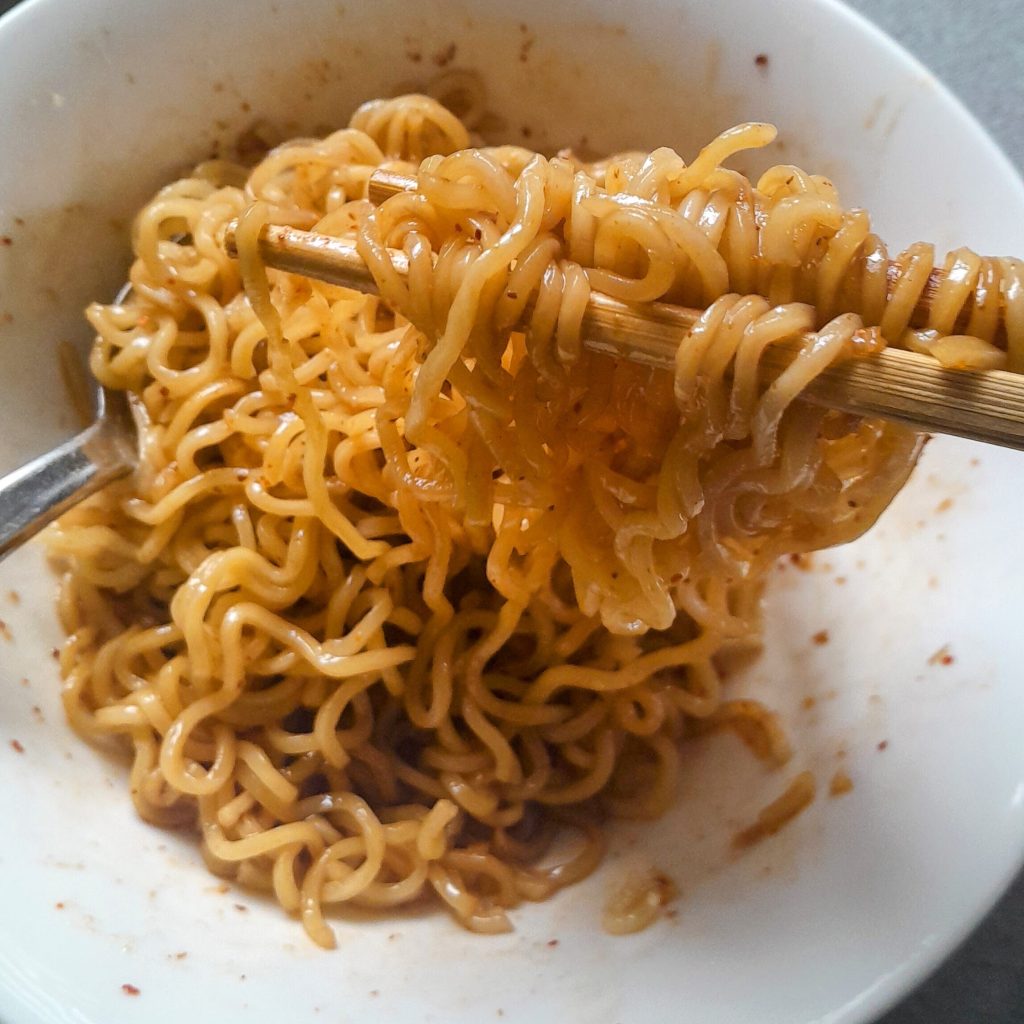
    2024 was filled with small joys, like quiet evenings with loved ones or celebrating milestones. Revisiting posts like “Comfort in a Bowl of Instant Noodles” and “Soul-Soothing Moroccan Salad” brought those cherished memories back to life.

    Embracing Dutch Traditions

    As someone settling into life in the Netherlands, I’ve had the joy of experiencing unique Dutch traditions this festive season. Sinterklaas, celebrated on December 5th, brought a sense of childlike wonder with its gifts, poems, and the signature pepernoten treats. Christmas here feels warm and cozy, centered around family, good food, and gezelligheid (a word that perfectly captures the feeling of togetherness and comfort). Ringing in the New Year, I joined the locals in lighting fireworks and sharing oliebollen, a delightful fried dough treat that’s a must-try for anyone embracing Dutch culture. These traditions have made me feel more connected to my new home and its vibrant culture.

    A Heartfelt Thank You

    To everyone who’s read Crossroads Chronicles, supported ZentangleNook, or shared a kind word – thank you! Your support means the world to me. Here’s to a bright and hopeful 2025!

  • Should You Pursue a New Degree or Focus on Job Hunting (When Starting Fresh Abroad)?

    It can be tough when you’re faced with a big decision like whether to go back to school for a new degree or dive into the job market, especially in a new country where you’re still adjusting. The language barrier and the unfamiliar job market can make the choice feel even more complicated. To help navigate this decision, here’s a simple framework for a guidance that I would like to share with you:

    Assess the Current Job Market

    • Language barrier: If you’re not fluent in the local language yet, think about how long it might take to reach a level where you can compete in the job market. In some countries, being fluent in the local language is a must for most jobs. If that’s the case, focusing on learning the language first might be a smart move.
    • Job opportunity: Are there positions available in your field or others that don’t require full language fluency? For instance, international companies or roles where English is commonly spoken might be a good option while you continue to improve your language skills.
    • Educational requirements: Does your new country’s job market require specific degrees or advanced qualifications you don’t have? If certain fields demand a degree to even get started, this could influence your decision.

    Evaluate the Value of a New Degree

    • Passion vs. practicality: If you’re passionate about studying a particular subject, ask yourself if this degree will help you in the local job market. Will it make you more employable? Also, consider how this degree fits with your life satisfaction and long-term goals.
    • Time and cost: A new degree takes time and money. Think about the financial investment and the years of study required. Can you commit to this? Make sure the degree will be worth it, both in terms of career benefits and personal growth.
    • Alternative routes: Instead of pursuing another degree, could you gain the skills you need through certifications, online courses, or internships? These options might be faster and less expensive, and still help you advance in your career.

    Long Term Career Goals

    • Career advancement: If you already have a clear career path, would a second degree help you move forward? Sometimes experience, training, or certifications can be just as valuable, if not more, than a degree.
    • Flexibility in career path: If you’re still figuring out your long-term career, it might be better to gain some work experience first. Jobs or internships can give you a better sense of what you want to do before committing to more education.

    Personal Considerations

    • Emotional readiness: Moving to a new country is a big adjustment. Are you excited by the idea of more studies, or do you feel worn out from past academic experiences? If you’re feeling tired, it might be worth taking a break and exploring other professional opportunities first.
    • Work-life balance: Can you manage full-time study while balancing your daily life? Would you need to work alongside your degree? Make sure you can handle the workload before committing to a full-time academic program.

    Language Skill

    • Language Acquisition: Focusing on improving your language skills could open up many job opportunities faster. Some countries offer free or affordable language courses, and being able to speak the local language will help you integrate into the culture and build stronger connections in the community.

      Conclusion

      If pursuing a new degree aligns with your passions and career goals, it could be a great investment in your future. However, weigh the time, cost, and potential benefits carefully. If you’re still unsure about your career path, consider working first, even if it’s not your dream job, to gain local experience and improve your language skills. Ultimately, the best choice depends on your personal situation, career ambitions and how ready you are for another round of studies. It might also help to seek advice from local professionals or academic advisors who can offer insights into the value of a degree in your new country.

    1. Happy Birthday from London

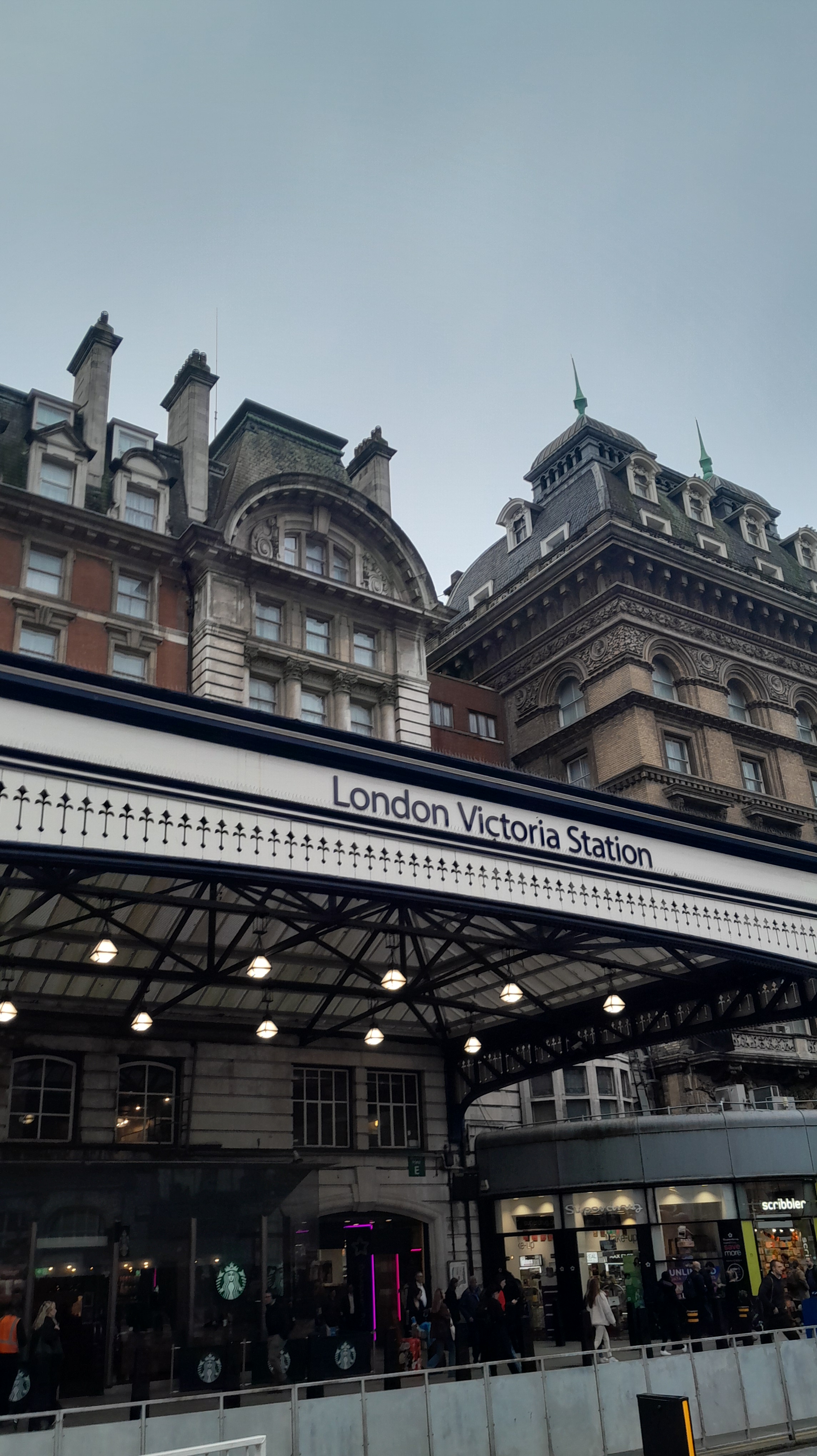
      Spending my birthday in London felt like connecting with an old friend – a place that both surprises and comforts me, where I sense history in every corner yet feel inspired to keep exploring. The moment I landed (yes, after a typical EasyJet delay), I was greeted by London’s signature rain, a fitting start for a city that always surprises.

      London’s energy is unique: old meets new, ancient traditions mesh with the ultra-modern, and the city’s heartbeat feels like a steady rhythm of progress and preservation. As I walked through landmarks like Westminster Abbey and across the Tower Bridge, I felt the weight of time and the pulse of a dynamic, evolving metropolis.

      One of the most freeing parts of my London birthday trip was exploring on foot. The city’s seamless public transport makes hopping between boroughs easy, but there’s something about London that calls you to wander. Walking beside the Thames, I took in views of Big Ben, Trafalgar Square, and the London Eye – each a reminder of the city’s grandiosity and history.

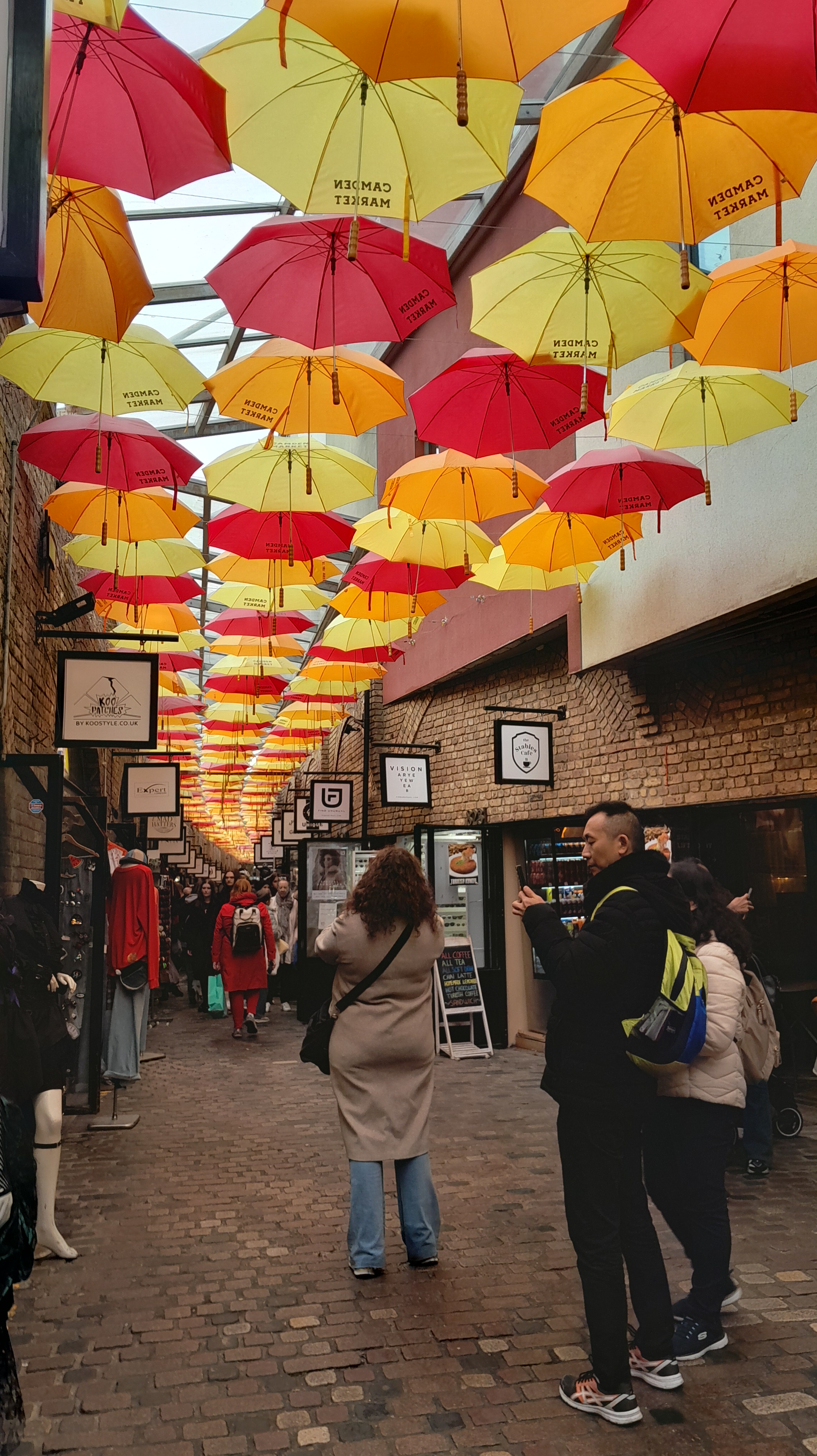
      Camden Market was my favorite. Its vibrant stalls, live music, and eclectic mix of people make it feel like a world within a world. This is the heart of London’s spirit – a bit gritty, full of soul, and unapologetically alive.

      And the food! For a city often underestimated for its culinary offerings, London’s food scene surprised me with its diversity and flavor. From the bold, comforting flavors of nasi campur (mixed rice) at Dapur to the comforting spices in a bowl of kari laksa at Roti King, each meal was a small, delicious journey across cultures.

      So why London? Choosing London for my birthday was more than just a trip. It was a celebration of my own journey and aspirations. London, in all its contrasts, is a city constantly reinventing itself yet firmly grounded in its roots. It’s a reminder that it’s possible to honor where you’ve come from while embracing growth – a balance I strive for my own journey!

    2. Finding Balance, Coping with Job Uncertainty and Thriving in Transition

      Moving to a new country is like stepping into a whole new world, and it’s no surprise that it feels tough, especially with language barriers and finding work in unfamiliar places. When you’ve had a high-paying, fulfilling job back home, taking on random jobs in a new place can feel like a hit to your pride. You’re not alone in feeling this way; many people experience that same dip in confidence during a big move.

      But here’s the thing: every experience has its value, and sometimes the small steps forward – taking temporary roles, for example – are what actually get you to where you want to be in the long run. It can be helpful to see each job, no matter how “random,” as a stepping stone. These roles can help you learn the local language, build connections, and gradually adjust to the new environment.

      Winter is indeed on the way, and I completely get that it’s adding to your stress. If being away from home is wearing you down, going back for the winter could be a great idea. It might give you time to rest, refocus, and come back with a fresh mindset for the spring. The other option is exploring ways to connect with people locally, even in small ways like joining language classes or expat groups. Often, these are lifelines during winter months.

      If possible, you might also want to explore remote work options that allow you to leverage your skills and background without the need to be proficient in the local language. Freelancing or remote roles could give you the flexibility to keep working in your field, which might boost your confidence and make the transition easier.

      Ultimately, the most important thing is to give yourself permission to feel frustrated and overwhelmed but also the space to recharge. You don’t have to do everything perfectly right now. Progress doesn’t always mean being in the perfect job or environment – it means taking care of yourself and adapting step by step. The winter, the slow job market, and the language barriers are just temporary. They won’t define you in the long run. You’re in the midst of a transition that will lead you to something better. Just keep moving forward, even if it’s at a slower pace.

    3. [in het Nederlands] Liefde en Leven in Noord-Holland

      Lezer,
      Dit is mijn eerste schrijven in Nederlands taal. Ik vind Nederlands moeilijk en niet mooi. Volgens mij is het een koude taal – onvriendelijk en zonder ziel. Maar dat waarschijnkelijk want ik heb nog niet genoeg vocabulaire om te gebruiken.

      Ik woon nu in Noord Holland. Ik verhuisde hier in september 2023. Waarom? Ja, ik vraag mezelf dezelfde vragen. De simpel en direct antwoord is ‘voor liefde’. Maar, mijn eerlijke antwoord is ‘ik heb niks om te verliezen, dus waarom niet?’

      Begrijp me niet verkeerd, ik was verliefd. En ik ben nog steed verliefd. Mijn man is het beste wat me is overkomen. Echt. Van onze tegenkomen zie ik een hele nieuwe wereld – iets heb ik nooit voorspellen. En ik wil dat waarderen voor altijd, voor mijn hele leven.

      Mijn nieuwe woning is op Wolven. Het huis is tegenover het gezondheidscentrum. Het is 20-minuten lopen van het treinstation en 5-minuten rijden van het winkelcentrum. Het huis is gewoon qua inrichting, maar compleet qua praktisch. Ik word helemaal verliefd op de eenvoud ervan. Maar wat ik het meest waarder aan deze woning is de stilte – het onbekende waar ik mijn hele leven naar op zoek was.

      Ik las vorige week een boek van een bekende Perzisch-Nederlands schrijver. In zijn boek, schreef hij over hoe hij begint met schrijven in deze moeilijke taal. Hij schreef en schreef, en schreef nog eens. Nu is hij de eerste beroemde ‘vluchtelingauteur’ in Nederland die zo succesvol is.

      Ik zal misschien nooit een beroemde auteur worden, maar nu heb ik niets anders dan woorden. En met woorden, zal mijn liefde voor mijn man sterker worden in de stilte van Wolven.  

    4. Lunch, but make it in 15 minutes

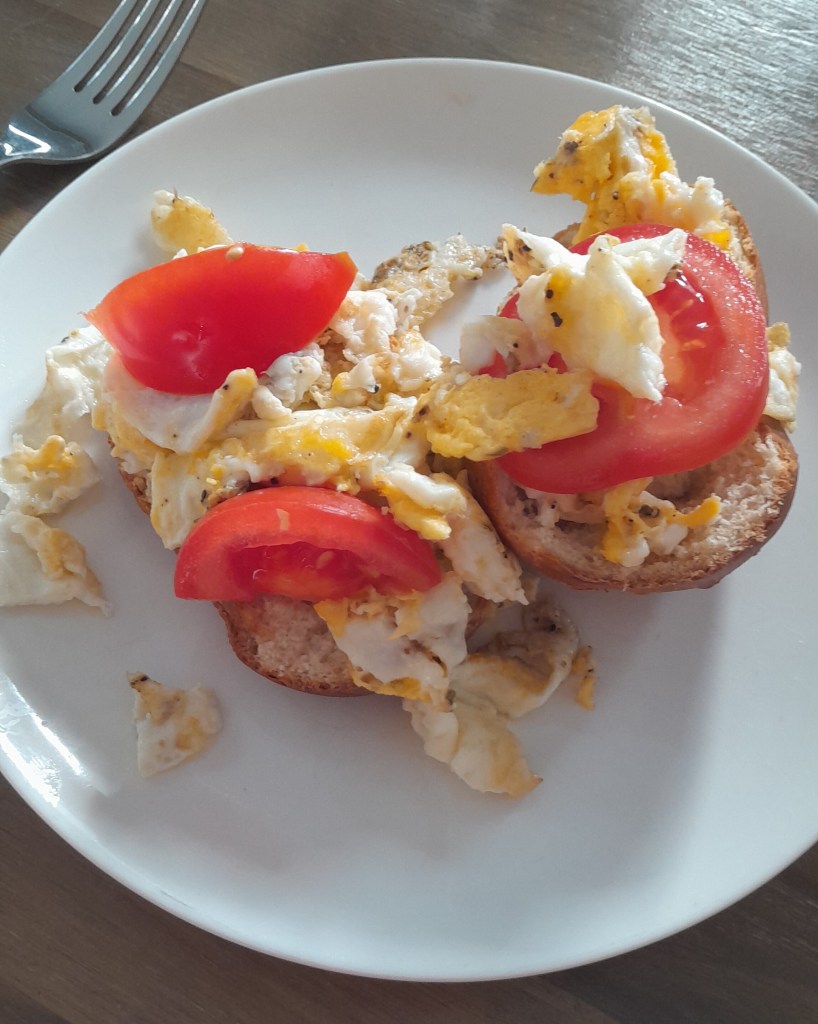
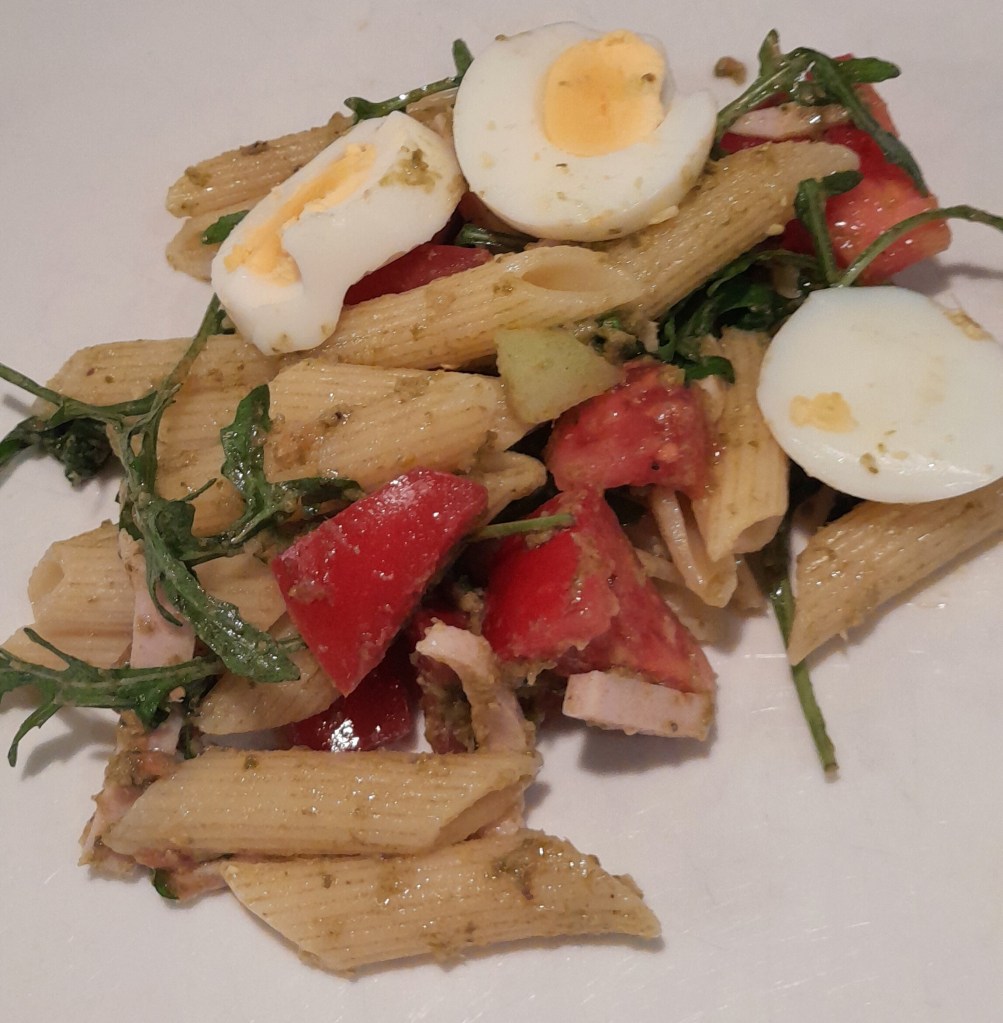
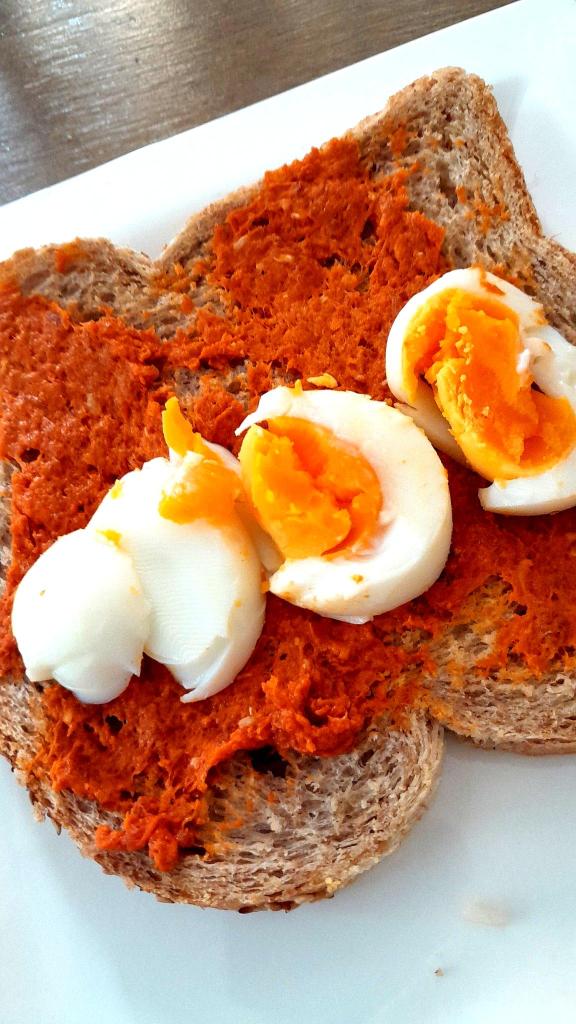
      I grew up having hot lunches every day, 365 days a year. Preparing hot lunch often took some time (in an Asian household). But since moving to the Netherlands, hot lunches have become a rarity and somehow I have come to appreciate the Dutch lunch culture for its convenience and practicality.

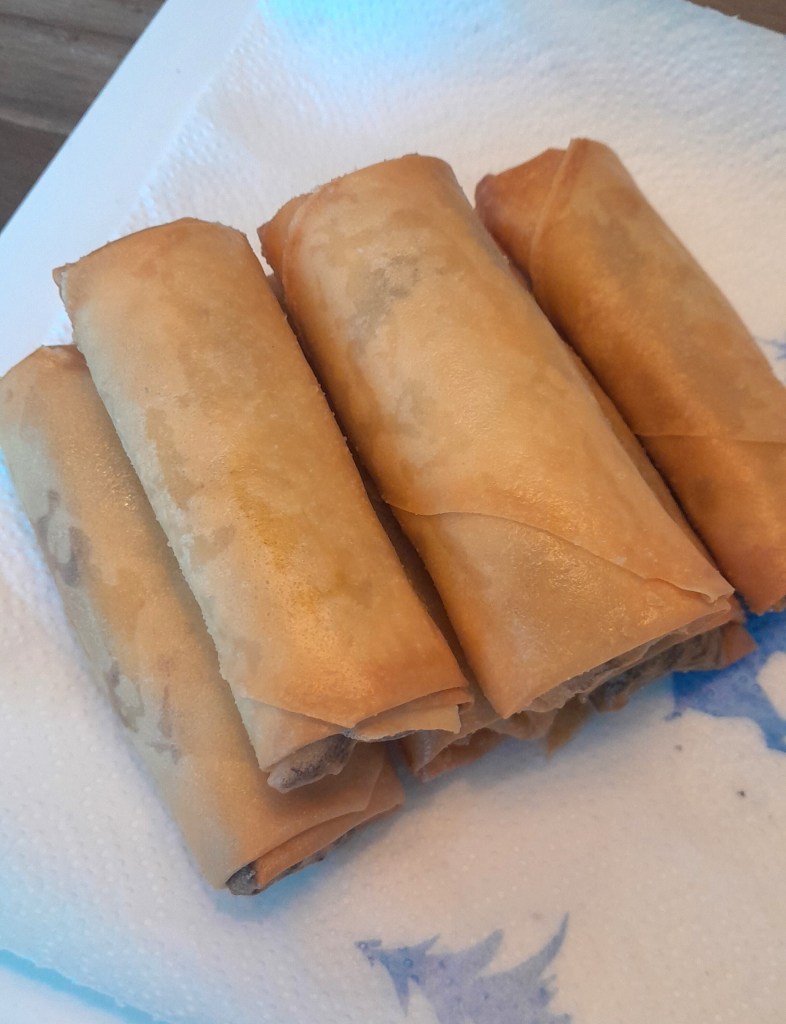
      Apart from the lumpia/popiah/spring rolls, the rest of the meal is prepared in about 15 minutes! I made the lumpia/popiah/spring rolls a week before and kept them frozen. While making them from scratch took at least 40 minutes, it took less than 15 minutes to defrost, deep-fry, and have them ready for lunch. They’re best served warm, but I also enjoy them at room temperature.

      Notice that my most of my quick lunches involved eggs? To me, eggs are a superior food. You can eat them with almost everything, and taste equally great warm or cold.

      What’s your favorite quick lunch meal?

    5. Culinary Adventures: Homecooked Meals – Self-Review #1

      Between classes, huiswerk, travels, countless visits, rugpijn and anxiety, I managed to spent some time to continue exploring my culinary skills in the kitchen. I tried making Asian foods as much as I can – not out of homesickness, but to re-create the flavors that are already familiar to me. And the fun part is I get to be my own food critic, comparing my creations to my food memories from Asia. After all, you can’t thoroughly and carefully review dishes you’ve never tasted before, right?

      So here are my top 5 home-cooked dishes so far:

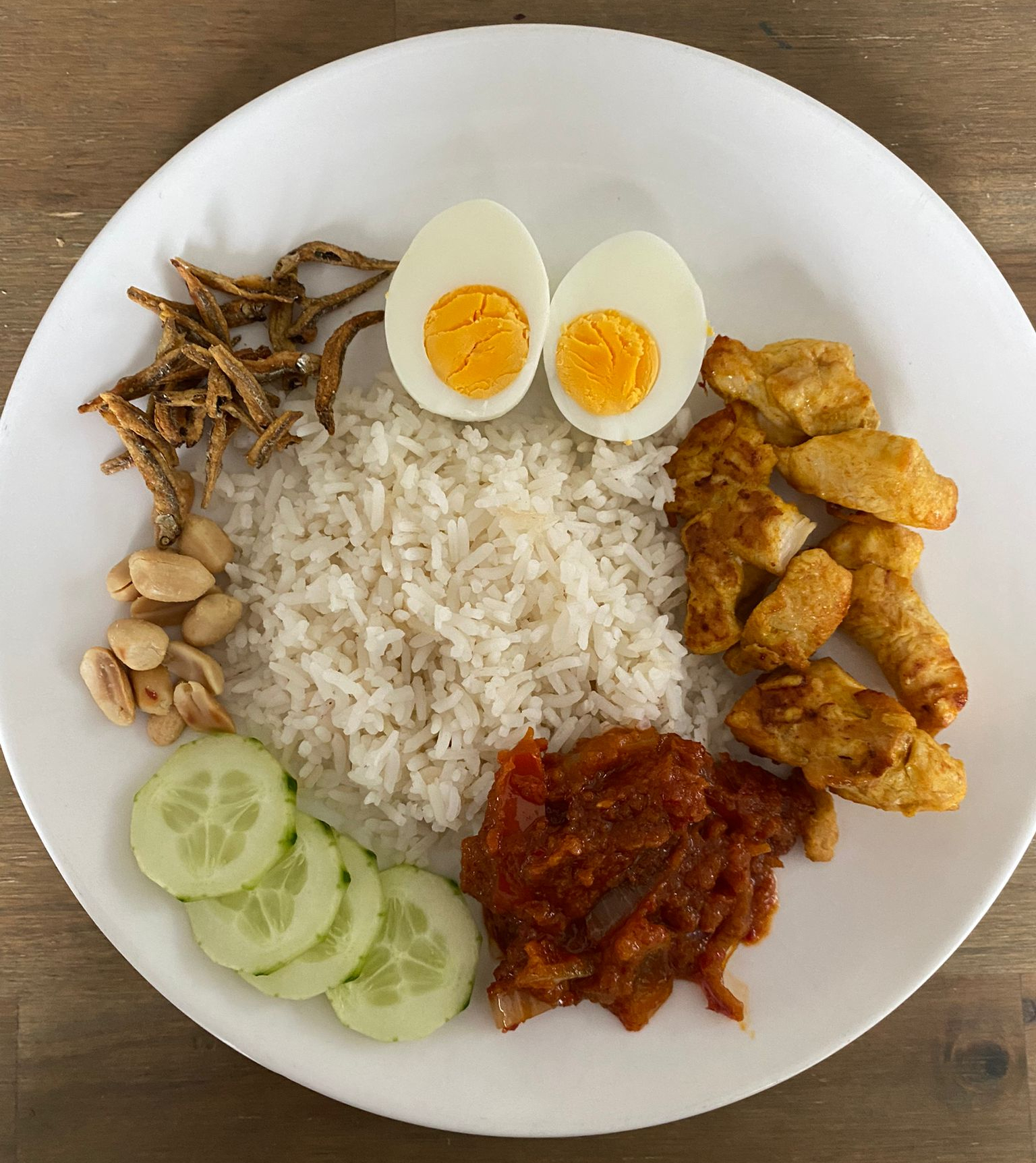
      Malaysian Nasi Lemak

      My first homemade nasi lemak in the Netherlands was a triumph. The sambal, which is the heart and soul of the dish, turned out perfectly. The whole dish tasted just like of those famous nasi lemak you can find in the street in Kuala Lumpur.
      Rating: Definitely 5/5
      p/s I’m incredibly proud of recreating this iconic Malaysian dish from scratch. I think I even shed a tear when I took the first bite.

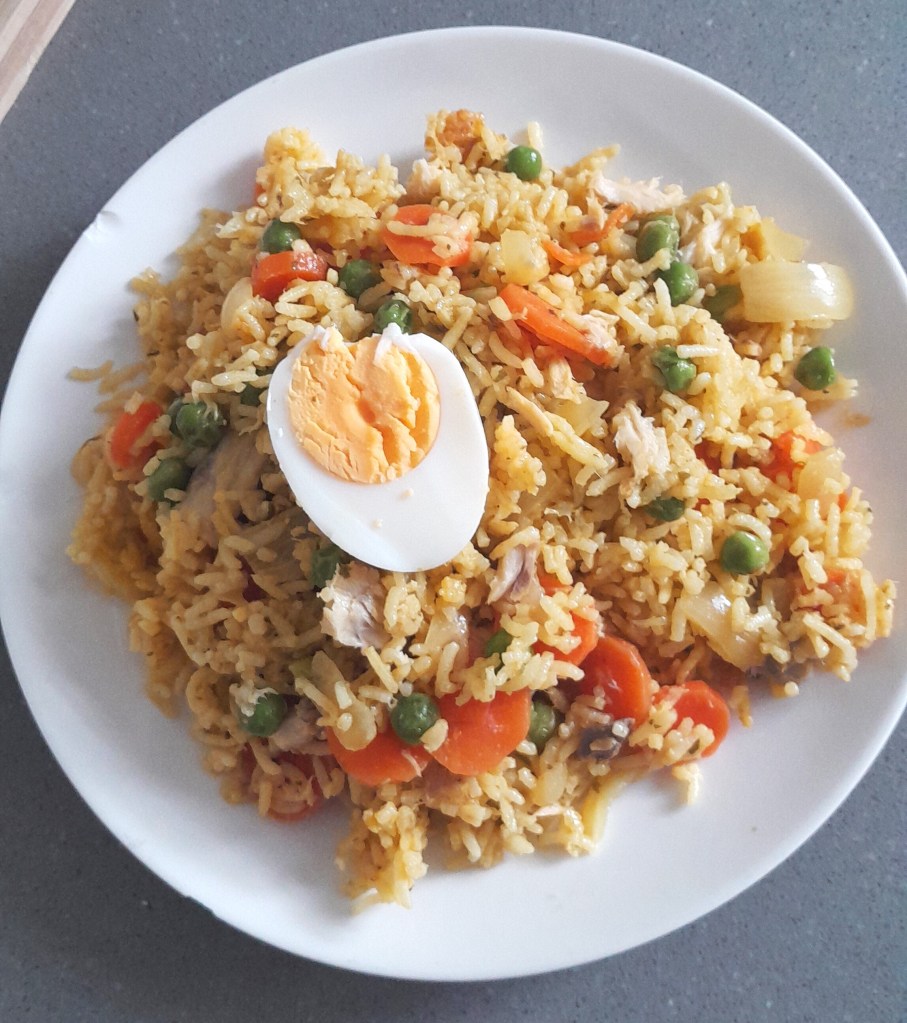
      Kedgeree with Mackerel

      I followed a recipe from Koken met Karin [zonder pakjes & zakjes], Kedgeree met Makrel on page 90. Contrary to my initial believe, this classic Anglo-Indian dish was surprisingly easy to make. This delightful fusion somehow remind me of Indonesian/Malaysian nasi goreng.
      Rating: 3.8/5

      Shrimp and Spinach Spaghetti Aglio e Olio

      With shrimp, baby spinach, cherry tomatoes, garlic, olive oil, unsalted butter, herbs and of course, spaghetti, this dish was a breeze to whip up. Who can resist the charm of a little piece of Italy from their own kitchen anyway?
      Rating: 5/5

      Stir-fried Baby Spinach with Garlic

      So what do you do with your baby spinach if you happen to have a lot of them in your fridge? You stir fried them good with fresh garlic (and adding mixed seafood for an extra twist). I promise you it’s a delicious, healthy and aromatic dish that’ll leave you craving more with every bite.
      Rating: 4.2/5

      Dry Thai Red Curry Chicken

      Far from the authentic taste, but this dish was still quite satisfying. I swapped green beans for carrots and bell pepper (out of my sheer laziness to grocery shop) and used the Sum & Sam Thaise rode curry pasta. Then I enjoyed it like a true Asian – with steamed white rice topped with fried eggs.
      Rating: 3.9/5

      Reflecting on my culinary journey so far, I feel a sense of accomplishment. Rating my own dishes provided a validation I didn’t even realize I needed. The funny thing is, while doing this, I can almost hear my mother and sister critiquing my dishes for not using enough herbs and/or salt or for substituting ingredients. I actually wish they were here to rate my cooking – I’d love to hear their critical feedback.

      Cooking familiar dishes is like a heartfelt conversation with home; each bite brings back cherished memories and a sense of belonging, no matter how far you are.

      crossroadschronicles
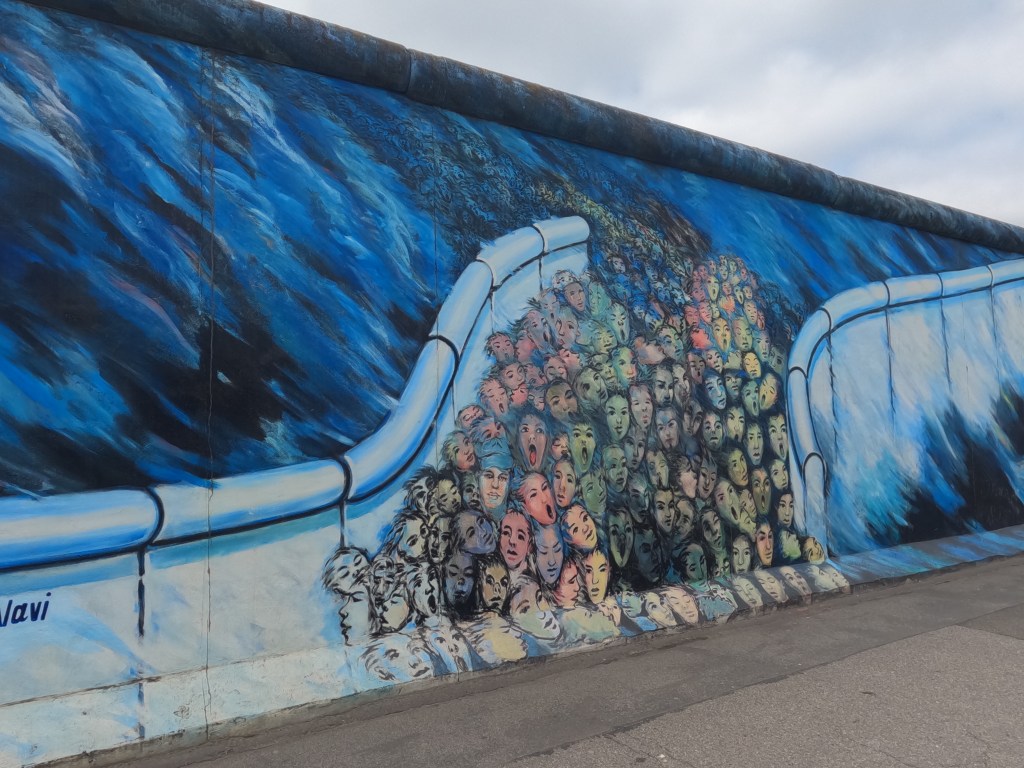
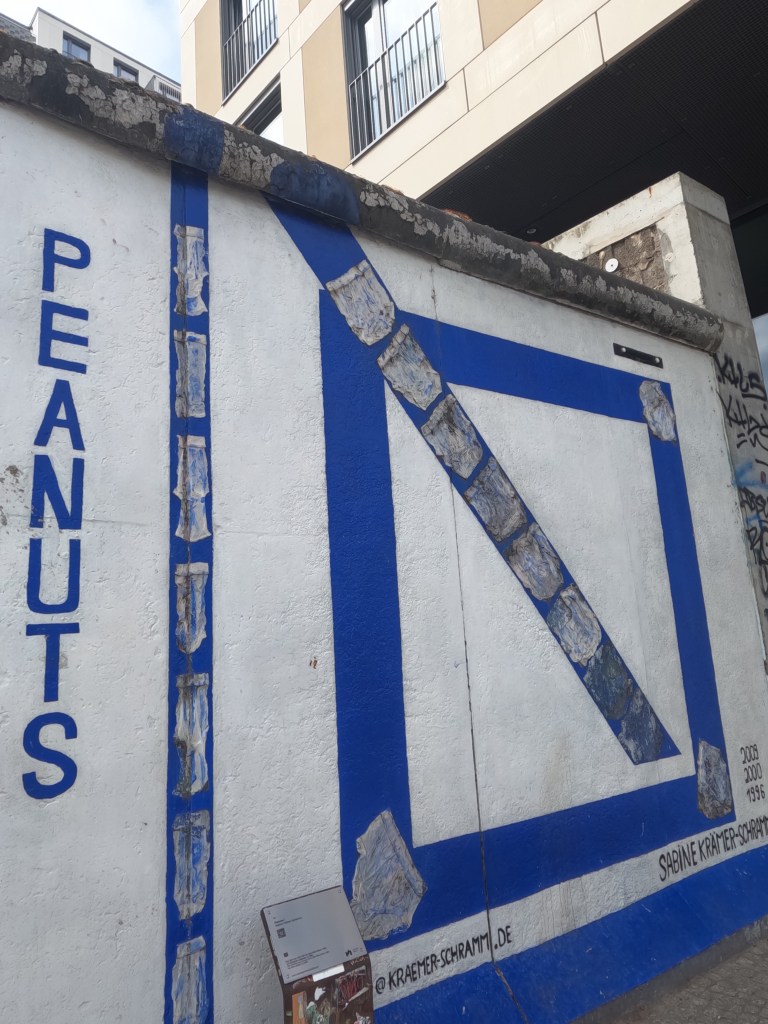
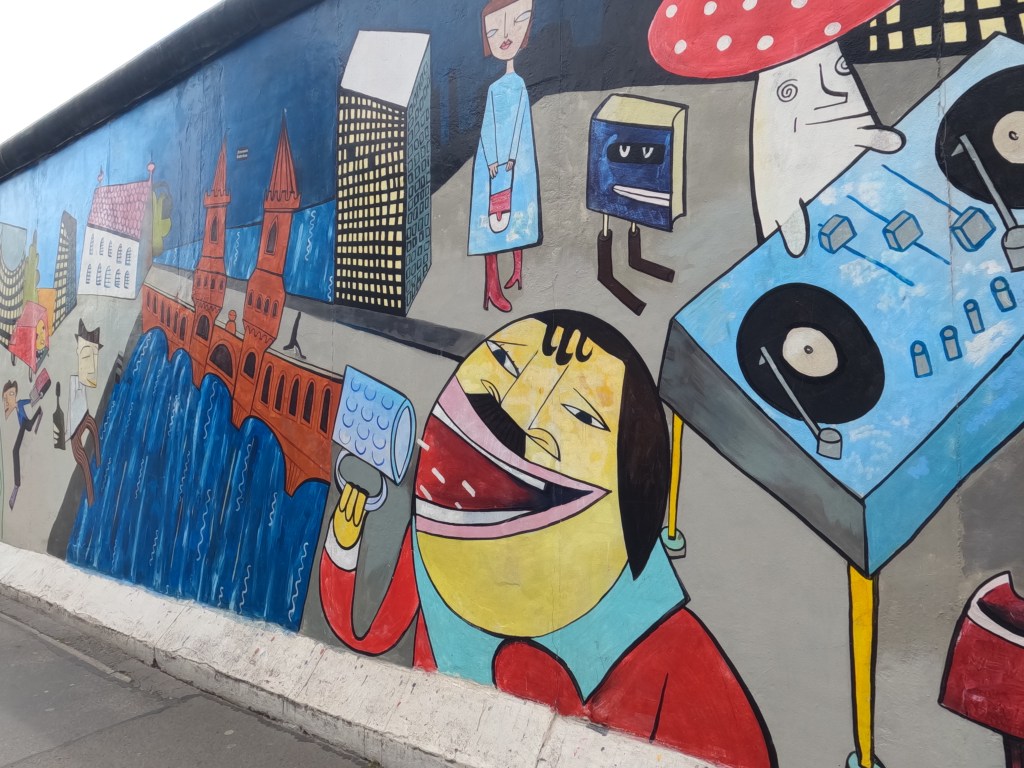
    6. East Side Gallery – A Powerful Symbol of Unity and Resilience Beyond the Streets of Berlin

      Fun fact #1: The East Side Gallery is the longest remaining section of the Berlin Wall, stretching to approximately 1.3 km. The gallery, which is the longest open-air gallery in the world, is not only a symbol of the division of Berlin but also the reunification of Germany and the end of the Cold War.

      Fun fact #2: The gallery is adorned with over 100 murals created by artists from all over the world. And it’s constantly evolving. Over the years, artists periodically repaints the murals to preserve their messages and adapt to the passage of time.

      The gallery is a major tourist attraction in Berlin and I personally think it’s a must-visit spot in Berlin. It offers not only a glimpse into the city’s past but also a celebration of its resilience and creativity. It serves as a powerful symbol of unity and reconciliation and a reminder of the importance of overcoming divisions and embracing diversity – a message that resonates far beyond the streets of Berlin.

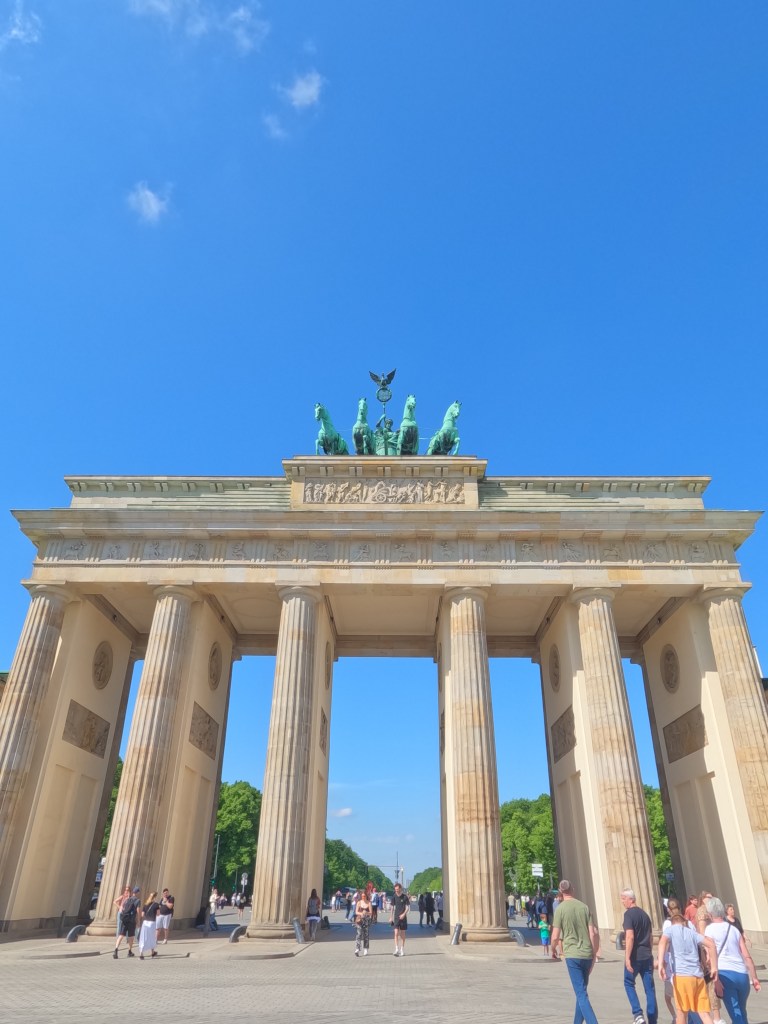
    7. Berlin – Echoes of History

      Last week, during the meivakantie in the Netherlands, we drove to Berlin, Germany for a weekend escapade. From Noord Holland, we embarked on a 7.5-hour journey, traversing the afsluitdijk, passing through Friesland and crossing into Duitsland (Germany) before reaching Berlin (via Hamburg).

      Our itinerary followed a typical 2 Days in Berlin itinerary. However, personally, it provided me a profound insight into the tumultuous era of World War 2, far surpassing the depth of knowledge I gained from my high school history textbook. I suppose there’s truth to the saying that one learns more from traveling ten thousand miles than from reading ten thousand books.

      Here’s our simplified 2-day Berlin itinerary:

      Day 1

      • Branderburg Gate
      • Reichstag (parliament building)
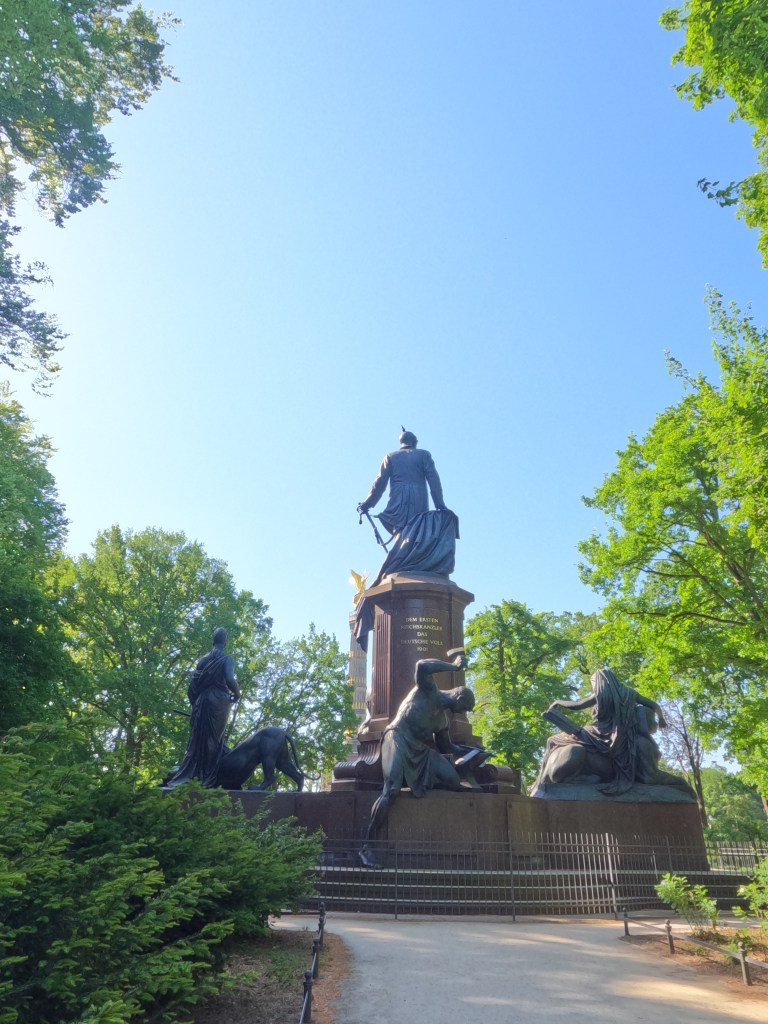
      • Tiergarten & Soviet Memorial (expansive central park, the memorial is inside the park)
      • Memorial to the Murdered Jews (concrete slabs)
      • Topography of Terror (open-air museum delving into the harrowing history of Nazi Germany, intertwined with remnants of the Berlin Wall)
      • Checkpoint Charlie (Reflecting on the historic border crossing point between East and West Berlin)
      • Friedrichstraße (main shopping avenue)
      • Gendarmenmarkt (French and German cathedral)

      Day 2

      • East Side Gallery (open-air gallery stretching 1.3 km along a section of the Berlin Wall) *Check out the photo gallery here
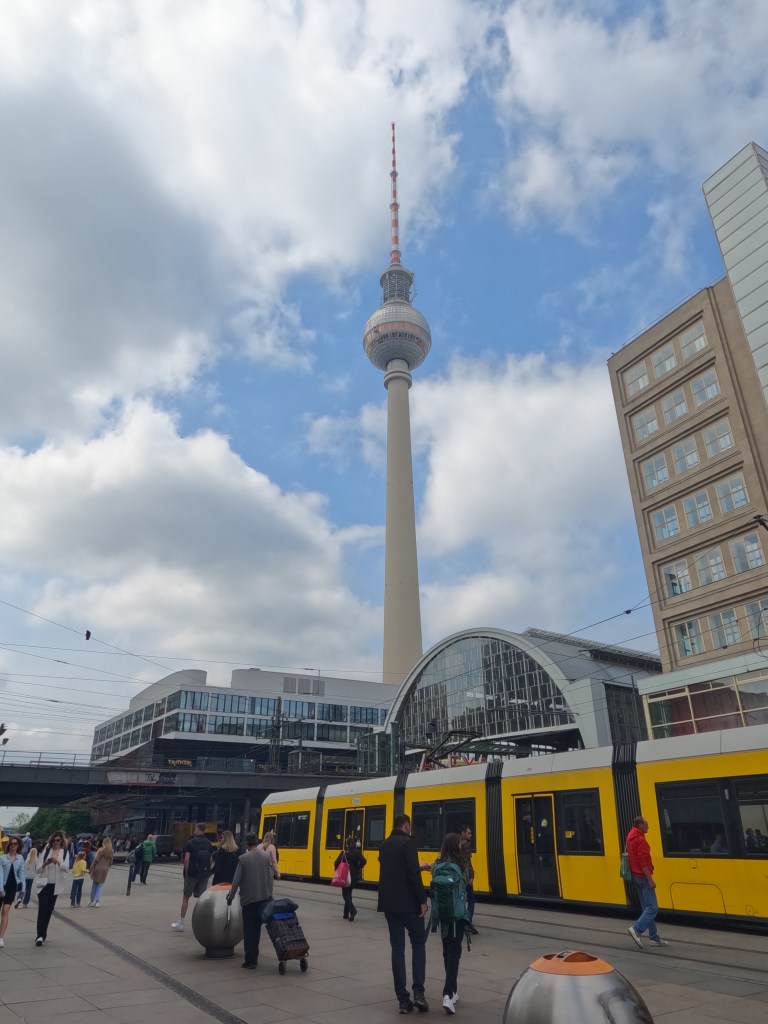
      • Alexanderplatz & TV Tower (bustling public square and transport hub. TV Tower is the tallest structure in Germany)
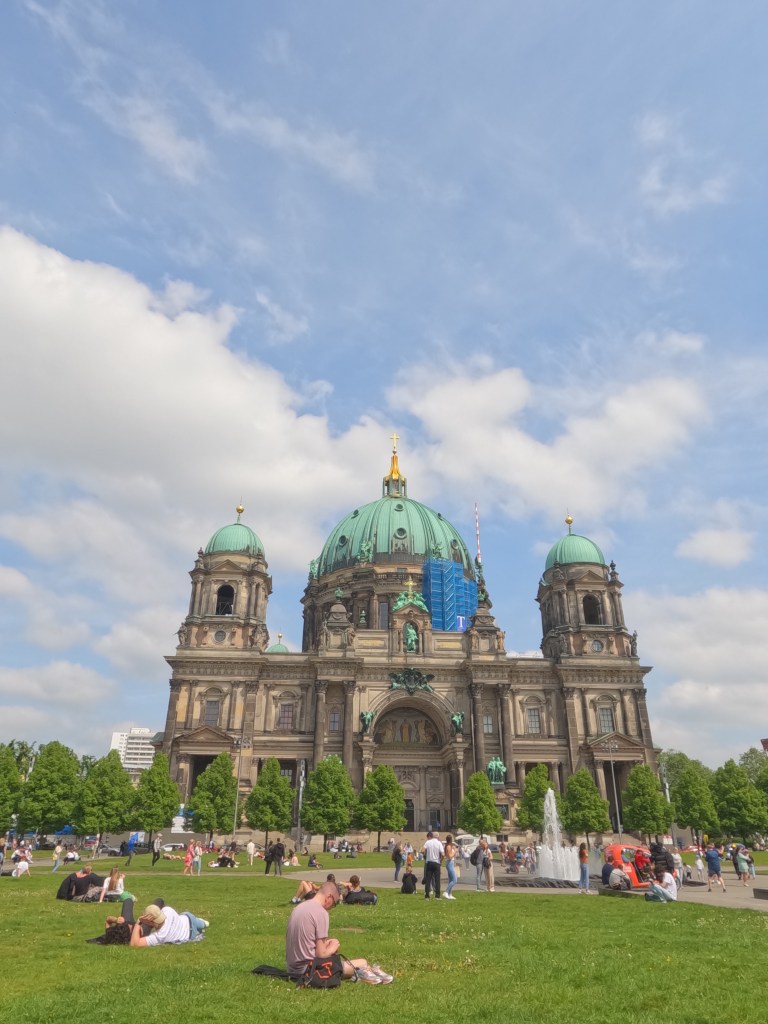
      • Berliner Dom (architectural masterpiece)
      • Museum Island (plethora of museums clustered here, UNESCO World Heritage site)
      • Bebelplatz, Neue Wache, Opera House (historic landmarks nestled in close proximity)
      • Friedrichshain (Famed district of East Berlin, the Berghain nightclub is located here)

      We also went to the techno club. It was fun, but I’ll save that for another entry. 🙂

      Did I miss any must-visit spots that are essential for a 2-day Berlin itinerary? Let me know in the comments.

    8. How to Deal With Rejection

      Rejection. Just the word alone can sting. We’ve all been there. It’s a universal experience that we all encounter at some point. Standing at the crossroads of hope and heartbreak, wondering why something we wanted so badly slipped through our fingers. Whether it’s the job that felt like a perfect fit, a relationship that didn’t work out, or even a casual dismissal, rejection has a way of making us feel unworthy, small, and defeated.

      But here’s the truth: Rejection is not the end. It’s a detour, sometimes even a blessing in disguise. I know that might sound cliché, especially when the hurt is fresh, but let’s unpack what rejection truly means and how to not just get over it, but grow through it.


      Acknowledge Your Feelings

      First things first, allow yourself to feel. Rejection hurts and pretending it doesn’t will only bury the pain deeper. It’s okay to feel sad, angry or even embarrassed. Grab a journal, vent to a friend or cry if you need to. Your emotions are valid and letting them out is part of the healing process.

      Rejection isn’t a reflection of your worth. It’s an experience, not a definition of who you are.


      Shift the Narrative

      When faced with rejection, we often let our inner critic run wild. “I wasn’t good enough,” “I’ll never be enough,” or “I should have done better.” But stop for a moment and challenge those thoughts.

      Rejection isn’t always about you. Sometimes it’s timing, circumstances or simply a mismatch. It’s easy to focus on what went wrong but what if we looked at it differently? Maybe this is a chance to grow, to realign with something that’s truly meant for you.


      Learn, Don’t Linger

      Every rejection carries a lesson, even if it’s not immediately clear. Ask yourself:

      • What can I learn from this experience?
      • How can I improve for next time?

      But here’s the catch: Learning doesn’t mean dwelling. Extract the wisdom, then move forward. Don’t let one closed door keep you from knocking on the next.


      Surround Yourself with Positivity

      Rejection can make us feel isolated, but you’re never alone. Lean on the people who lift you up – friends, family, or even online communities. Surround yourself with positivity, whether that’s an inspiring podcast, uplifting books or simply time spent with people who remind you of your value.

      Your environment matters, especially when you’re healing.


      Keep Moving Forward

      Rejection often leaves us standing still, afraid to take another step. But moving forward, even slowly, is the best way to heal. Try something new, revisit an old hobby or set a small, achievable goal. Every step you take is proof that rejection didn’t defeat you. It simply redirected you.


      Believe in What’s Next

      Finally, remind yourself that rejection is not the end of your story. Something better is waiting ahead. I know that might feel hard to believe when the wounds are fresh, but time has a way of revealing life’s hidden blessings.

      Each “no” you encounter shapes you into someone stronger, more resilient, and better prepared for the opportunities yet to come.


      Rejection is hard. It’s uncomfortable, messy and sometimes downright unfair. But it’s also a part of life. A chapter in your journey, not the whole story. Feel the hurt, learn the lesson and then rise again. Because you are capable of turning rejection into redirection, pain into purpose and loss into growth.

      You’ve got this. We’ve got this, together.
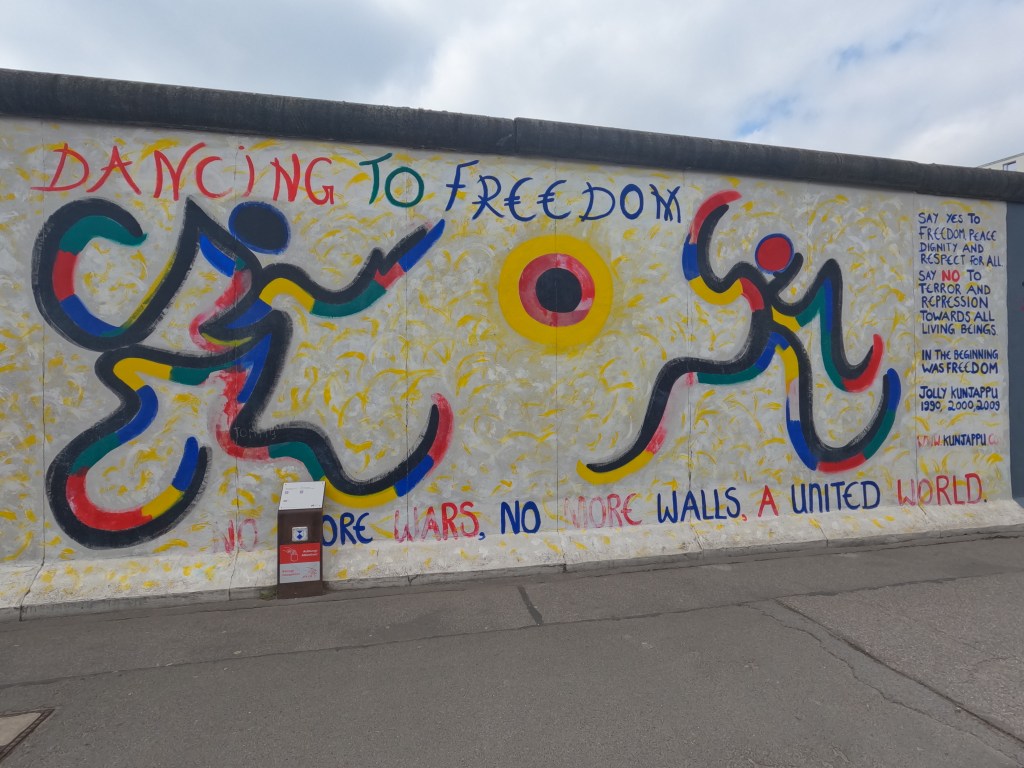
    9. Comfort in a Bowl of Instant Noodles

      For me, growing up in an Asian household, instant noodles were more than just a quick meal; they were woven into the fabric of my fondest food memories, symbolizing comfort, warmth, and familial love.

      In our home, instant noodles were cherished like culinary treasures. Whether it was a rainy day or a late-night craving, a steaming bowl of noodles never failed to bring joy to our hearts. We relished their simplicity, their convenience, and above all, their ability to transport us back to the cozy confines of home with every savory slurp.

      But life has a way of leading us down unexpected paths, and mine led me across oceans to the Netherlands. Amidst the picturesque canals and liberal attitudes, there was one thing I couldn’t shake off: the yearning for the familiar taste of home, embodied by a humble bowl of instant noodles. Their absence left a void in my culinary journey, a longing for the flavors that had once defined my sense of belonging.

      Today, armed with a packet of the famous Indomie Mi Goreng, a staple in many Asian households, I set out to rediscover the essence of comfort in a foreign land.

      As the noodles danced in the simmering water, I cracked a fresh egg into the pan. With a gentle sizzle, the sunny side up egg took shape, adding an extra layer of richness to this modest dish.

      As I ladled the steaming noodles into a bowl and crowned them with the perfectly cooked egg, a sense of contentment washed over me. In that moment, I realized that home wasn’t just a place; it was a feeling, a connection forged through shared experiences and cherished traditions.

      For in that bowl of Indomie Mi Goreng, I found not just sustenance, but solace, a reminder that no matter how far I roam, a piece of home will always be within reach.

      crossroadschronicles

      With a grateful heart and a rumbling stomach, I raised my chopsticks to the heavens and uttered a silent thank you to this unpretentious Indomie Mi Goreng, for reminding me that no matter where life may take me, the comfort of home will always reside in the simplest of pleasures.

      And so, with every blissful bite, I savored not just the flavors of the dish before me, but the memories, the love, and the sense of belonging that it brought with it.

      Bon appétit, indeed.

    10. Soul-Soothing Moroccan Salad

      Let’s embrace the soothing rhythm of chopping and let the art of salad making transport us to a place of peace and serenity.

      crossroadschronicles

      Amidst the chaotic charm in the bustling streets of Marrakesh, I stumbled upon a true gem – the Moroccan Salad. It was humble, yet it held an undeniable charm that captured my heart with every bite. Each taste seemed to whisper stories of distant lands and age-old traditions, wrapping me in a blanket of tranquility that I couldn’t resist.

      When I returned home, the memory of that salad stayed with me. So I decided to recreate its magic in my own kitchen.

      And now, dear fellow kitchen newcomers, I bring to you a beginner-friendly Moroccan salad recipe born out of passion and simplicity. It’s a dish that not only delights the senses but also serves as a comforting escape from life’s trials and tribulations.

      Ingredients: Cucumbers, ripe tomatoes, red onion, pinch of salt, juice of fresh lime, drizzle of extra virgin olive oil

      How to make it?

      1. Peel the cucumbers if desired, then slice them into rounds of uniform thickness. If using organic cucumbers, you may leave the peel on for added texture and nutrients.

      2. Dice the tomatoes into bite-sized pieces, ensuring they are ripe and juicy for maximum flavor.

      3. Peel the red onion and slice it thinly. If you prefer a milder onion flavor, you can soak the sliced onion in cold water for a few minutes, then drain before adding to the salad.

      4. Now, in a large mixing bowl, combine the sliced cucumbers, diced tomatoes, and sliced red onions.

      5. Drizzle the freshly squeezed lime juice over the vegetables, allowing the citrusy tang to infuse every bite.

      6. Add a generous pinch of salt to enhance the flavors, adjusting according to your taste preferences.

      7. Finally, drizzle the extra virgin olive oil over the salad, gently tossing everything together to ensure the vegetables are evenly coated.

      8. Once combined, let the salad sit for a few minutes to allow the flavors to meld together, intensifying with each passing moment.

      9. Serve your Moroccan salad chilled or at room temperature, garnished with a sprig of fresh mint or parsley for a touch of herbal freshness.

      Enjoy the vibrant colors and tantalizing flavors of this refreshing Moroccan salad, transporting your taste buds to the sun-kissed shores of the Mediterranean with every bite! Bon appétit, friends, and may your kitchen forever be a cozy haven filled with good food!

    11. A Reflection on Acceptance

      Losing a loved one is one of life’s most profound challenges. It’s a journey that tests your strength, your faith, and your ability to keep moving forward. If I said I didn’t miss my mother, I’d be lying. She passed away just a few months ago, shortly after my visa was approved. All I wanted was one last heartfelt conversation with her – to tell her that her middle child was about to embark on a journey to the other side of the world, chasing new horizons just as she had always encouraged me to do. But that moment never came.

      The pain was overwhelming. I wept. I questioned the workings of fate. I understood that fairness isn’t guaranteed in life, but I couldn’t help but wonder why it had to be so cruel.

      The Weight of Grief

      Grief is a strange and unpredictable companion. It doesn’t follow a timeline or a set of rules. Some days, it feels like a heavy blanket, smothering you with memories and what-ifs. Other days, it’s a sharp, sudden ache that catches you off guard. For me, the hardest part was the silence – the absence of her voice, her laughter, her nagging, her wisdom.

      I remember sitting in my room, staring at the suitcases I was packing for my move abroad. It felt surreal. How could I leave home without saying goodbye to her? How could I step into this new chapter of my life without her blessing? The questions swirled in my mind, but there were no answers.

      A New Chapter Begins

      I packed up my life and left my homeland. The emotions were a whirlwind – grief, excitement, hope, fear, and longing all tangled together. As the plane took off, I felt a strange mix of anticipation and sorrow. Perhaps I was chasing a dream, but I was also leaving a piece of my heart behind. Those mixture of feelings was actually indescribable.

      The first few months in my new country were a blur. Everything was unfamiliar – the language, the culture, the weather. I threw myself into works, trying to distract myself from the ache in my chest. But grief, oh that relentless grief, always finds a way to catch up with you, no matter how fast you run.

      The Colours of Change

      As the seasons changed, so did my emotions. Green turned to yellow, yellow turned to red, until winter arrived, bringing with it a deep, icy ache. The days grew shorter and the nights felt endless. I found myself struggling to get out of the bed and everything was so exhausting.

      The doctor diagnosed it as seasonal depression or maybe heimwee. But I disagreed. My blood tests showed no trace of it. What I truly needed wasn’t medicine – it was someone to listen, to understand, to empathize.

      The Power of Words

      Kind words poured in, yet they all blended together, lacking distinct significance. People meant well but their words often felt generic, like they were reading from a script. “Time heals all wounds,” they said. “She’s in a better place now.”

      While their intentions were good, their words didn’t resonate with me. Not until someone said something that struck a chord: “Your future lies ahead. Dwelling on the past only inflicts unnecessary suffering. Go see beautiful things!”

      It was a simple statement, but it resonated deeply. It reminded me that while I couldn’t change the past, I could shape my future. My mother had always encouraged me to chase my dreams, to explore new horizons. By holding onto my grief, I was holding myself back from living the life she wanted for me.

      Dream of Serenity and Finding Closure

      Still, my mother visited me in my dream. In those moments, she appeared serene, at peace, indicating she had found peace and moved forward. Her subtle encouragement nudged me to follow suit. When I woke up, I felt a sense of calm that I hadn’t experienced in months. It was as if she had given me permission to let go, to embrace the future without guilt or regret.

      That night, I recited Al-Fatihah for her – the first time since leaving home. Though I’m not particularly religious, it brought me an unexpected sense of closure. It was my way of honouring her memory, of thanking her for the love and strength she had given me.

      I realized that closure doesn’t mean forgetting. It means finding a way to carry your loved one’s memory with you while still moving forward. It means accepting that life is a series of beginnings and endings, and it’s okay to grieve, but it’s also okay to heal.

      Embracing the Journey

      Gradually, things have improved. Each day feels a little lighter, a little brighter. I’ve made progress, and it’s become clear that it’s time to embrace the journey ahead. My mother’s love and encouragement continue to guide me, even from afar.

      I’ve started to explore my new surroundings, to build a life in this unfamiliar place. I’ve met new people, tried new things, and discovered strengths I didn’t know I had. It hasn’t been easy, but it’s been worth it. And oh, I went to see beautiful things too!

      This journey has taught me so much about resilience, about the power of acceptance, and about the importance of honouring your emotions without letting them consume you. Grief is a natural part of life, but it doesn’t have to define you.

      Lessons Learned

      If you’re navigating loss or a major life change, remember this: it’s okay to grieve, but don’t let it hold you back. Your future is waiting, and it’s filled with possibilities. Grief is a journey, not a destination. It’s okay to feel lost, to cry, to mourn. But eventually, we must find the strength to move forward. My mother’s legacy lives on in the courage she instilled in me to explore new horizons. And while I will always miss her, I know she’d want me to embrace life with the same resilience and hope she always showed.

      If you’re reading this and carrying the weight of loss, know that you’re not alone. By sharing my story, I hope to inspire others to find peace and strength in their own journeys. After all, life is about moving forward, one step at a time.

    12. A Tale of Lost Chances and New Beginnings

      For months, I had been toying with the idea of moving to another country, carefully weighing the pros and cons, mapping out plans in my head, and navigating the emotional complexities of leaving behind everything familiar. Yet, for reasons I couldn’t quite explain, I kept this decision from my mother. It wasn’t that I feared her reaction – our relationship had never been one of deep, emotional heart-to-hearts. It was just something I told myself I would share once everything was set in stone. Once my visa was approved, then I would tell her. That was the plan.
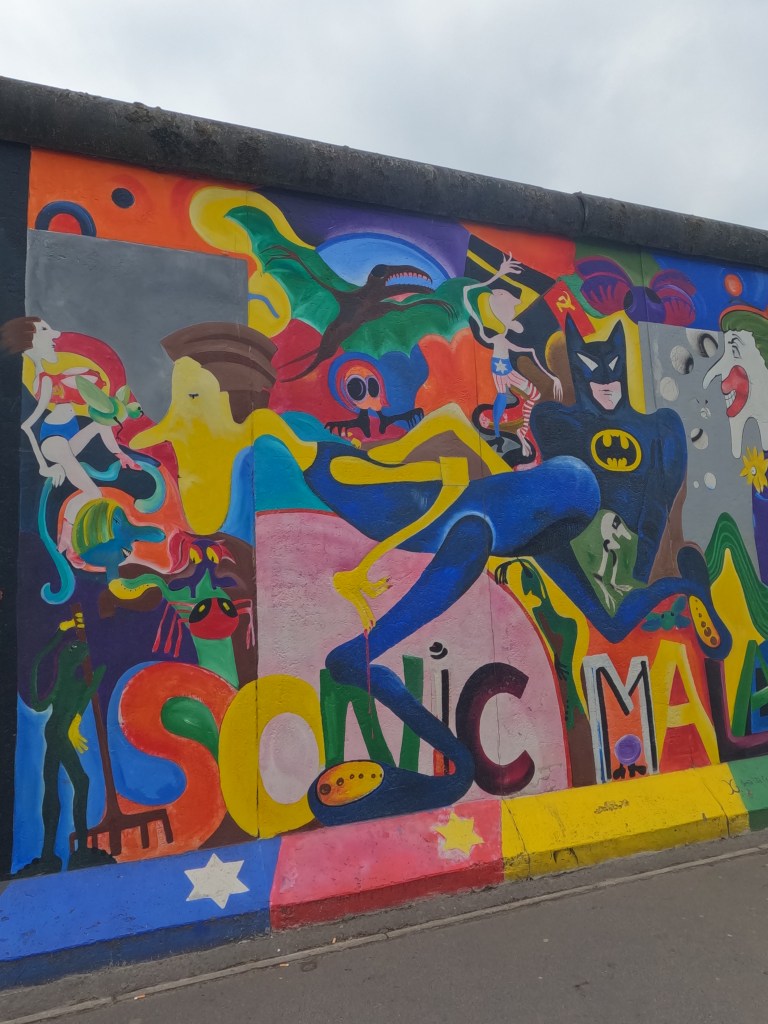
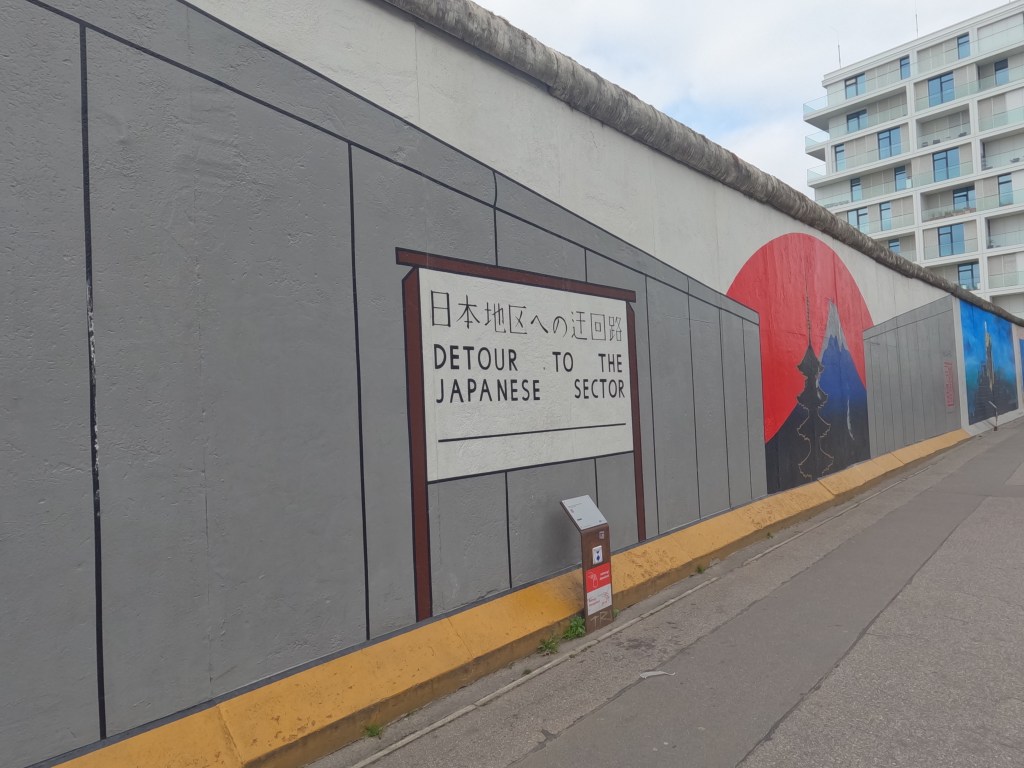
      Then life intervened in the cruelest way possible. The day after my visa was approved, my mother passed away.

      I was traveling abroad when I received the news, and in an instant, the world I knew cracked apart. There was no time to process the surreal timing of it all – I booked the next flight home, running on nothing but adrenaline and shock. It wasn’t until I arrived, until I saw the grief etched into my siblings’ faces, until I stood before her, that the weight of my silence pressed down on me. I had never told her. She never knew I was going to move to another country, never knew that I had finally taken the leap toward a future I had been contemplating for so long.

      Would she have been proud? Would she have been hurt? Would she have asked me to stay just a little longer?

      Our relationship was always layered – sometimes tender, sometimes strained. I visited her at least once a month, sitting in the comfort of familiarity, talking about everyday things: the neighbors, the weather, the latest family gossip. But we never talked about the deeper things. Those conversations belonged to my siblings, the ones who always knew what to say, the ones who connected with her on a level I never quite reached. And so, I convinced myself that she wouldn’t have minded my decision to keep this from her. I told myself that, even in her absence, there was no room for regret.

      But regret has a way of sneaking in through the quiet moments.

      Now, months later, I sit alone in my new home, in a country that still feels foreign despite its growing familiarity. The days are busy with settling in, learning new routines, navigating unfamiliar streets, and adjusting to a culture that is slowly becoming my own. But at night, in the stillness, memories surface like waves crashing against the shore. I picture her in the kitchen, serving me warm white rice and fragrant, flavorful dishes. I can almost hear her voice, gently chiding me to eat more, to take care of myself, to not be so distant.

      And then reality crashes in: she is gone. And she never knew.

      A part of me still clings to the absurd hope that when I visit home again, she will be there, waiting. That I will walk through the door and find her fussing over a pot of soup, her eyes lighting up at the sight of me. That this time, I will sit down across from her, look her in the eyes, and say the words I never got to say:

      “I moved, Mom. I live far away now, in a place where the air feels different and the seasons seem unfamiliar. I wish you could visit me someday.”

      But life doesn’t grant us do-overs. It only leaves us with lessons. And this is mine: never assume there will be time. Never assume that the words left unsaid will find their way into the spaces between visits and phone calls. Speak them now, while you can. Because one day, all you may be left with is the hope that, somehow, they already knew.